Explore by topic
SheerTex - Durable and resistant tights
Last updated: Apr 14, 2023
Summary
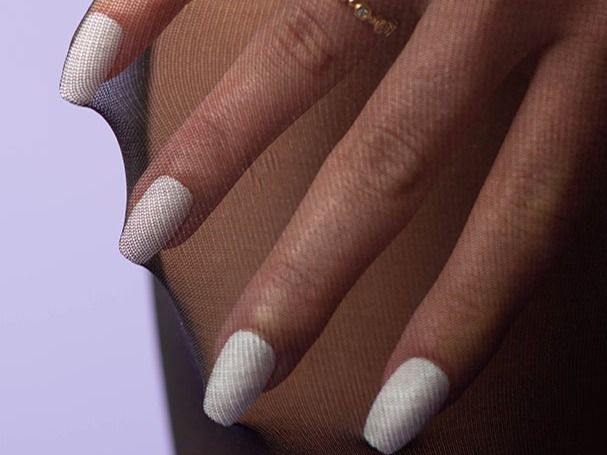
SheerTex tights are designed to last ten times longer than a typical designer pair, using fibres often found in bullet-proof vests.
Problem
The past two decades have seen a dramatic decrease in the amount of times clothes are worn. Coupled with a shift towards fast fashion, average consumers today buy 60% more items than they did 15 years ago and wear them for half as long. 70% of wardrobes usually go unworn and it is estimated that 33% of women wear items as little as five times before disposing of them. [1]
This is particularly the case for tights, a product notoriously known for its flimsy composition and proneness to tearing. Every year, as many as eight billion pairs of pantyhose are manufactured and thrown away, breaking down into micro plastic fragments that leach into waterways in the process. [2] With an average service life of less than two uses (some tights easily tear after the first use alone) [3], they are one of the most wasteful products of the fashion industry today.
This is particularly problematic as tights are predominantly made of a blend of nylon and elastane, making them impossible to recycle using the recycling technologies available to us today. Every kilo of virgin Nylon 6 produced in Europe is also responsible for six to nine kg of CO2-eq emissions [4]—and while nylon alone can be recycled today, once it is blended with other fabrics, this is no longer the case. [5]
Solution
Design for durability, repairability and minimal waste
Durability. Unlike most pantyhose, Sheertex tights are made with ballistic grade fibres often found in bullet-proof vests. Designed to last ten times longer than a typical designer pair [6], the sheers use proprietary fiber that is marketed as ‘stronger than steel, lightweight, anti-microbial, water-resistant and cool to the touch’. [7] To support its claims, the company also challenges users to put their tights to strength tests featuring everything from pineapples and a 10 pound fire extinguisher to watermelons and spiky seashells. [8]
Repairability. According to the brand, the Sheertex knit is also ‘self-healing’: if the knit gets pulled out of place, it can be manipulated back into place without running the risk of rips or runs. [9]
Minimal waste. The company’s ‘Second Chances’ collection also features products such as masks, headbands and underwear, produced using any extra material or defects from their production process—minimising waste from their operations. [10] [11]
Recyclability. Although it is unclear whether the tights can be recycled at the moment, their mono-material composition is promising—and, as of December 2nd, 2021, a recycling programme is currently under development according to the brand. [12]
Outcome
Extending clothing life is the single largest opportunity to reduce the carbon, water and waste footprints of clothing in the UK. [13] While exact figures are not available yet, by ensuring tights can last ten times longer than conventional alternatives, SheerTex is making a significant contribution to reducing the hosiery industry’s carbon footprint by enabling consumers to repair and hold on to their garments longer.
Industries
Involved organisation(s)
Key elements of the circular economy
Attachments and links
Contributors
Owner
Contributor
Contributor
Date added: Dec 9, 2021
Last updated: Apr 14, 2023
More from the contributors

Add your content
Strengthen the circular economy knowledge base by adding a report, case study, publication, or other resource to our platform!