Explore by topic

Utilising invasive plant species to reduce buildings' energy consumption
Last updated: Sep 8, 2023
Summary
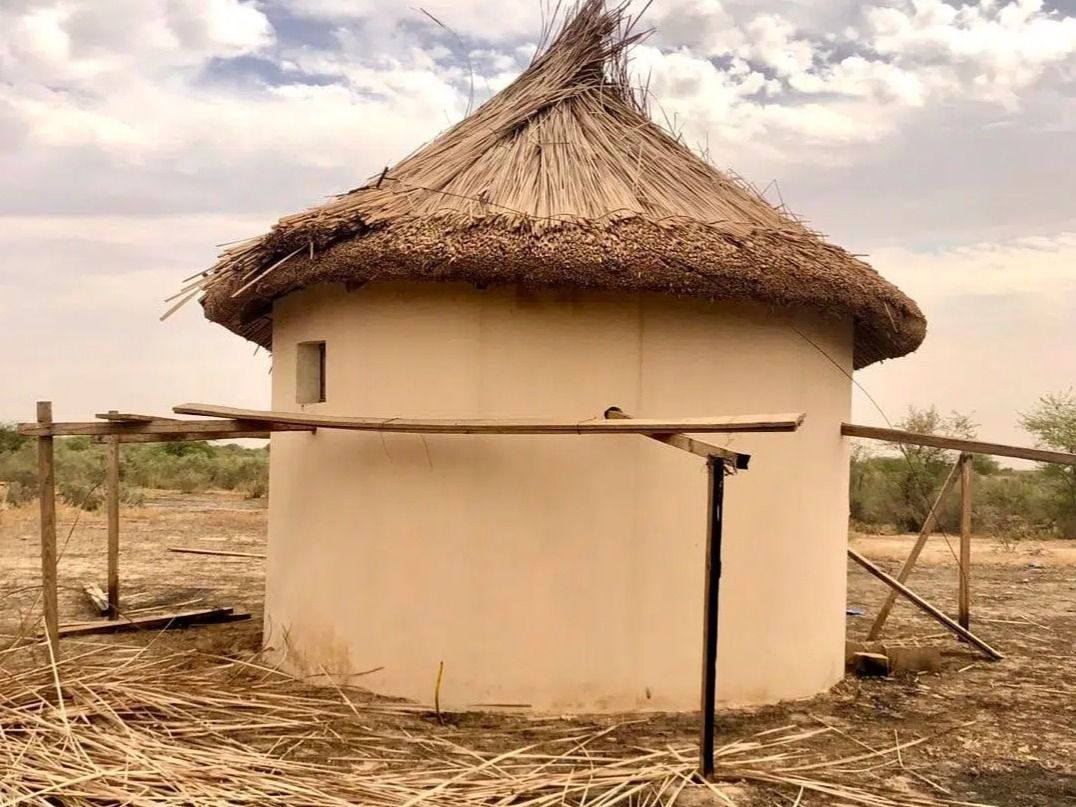
Senegal’s capital is one of the 34 African cities reporting through the CDP/ICLEI unified reporting system. The city is particularly focused on cutting emissions and reducing the energy consumption associated with the running of its heritage buildings. Dakar is working in sync with nature to achieve this goal by utilising an invasive plant species, typha domingensis, as a substitute for concrete and other common materials used in building and for insulation.
Problem
The project aims to address a multitude of issues arising out of the targeted area - firstly, "according to UN-Habitat, 50% of the building stock that will exist in 2050 are yet to be built." This means finding renewable materials for building is critical. On top of this many buildings in Dakar are often constructed with concrete, and are poorly adapted to the hot climate, thermally uncomfortable and energy consuming.
Tying this altogether however is the material being used for the project: Typha. Typha is detrimental to the Senegal River, where it is rapidly proliferating as an invasive plant. This makes Typha is a matter of concern for public health, threatening water supply security and the preservation of biodiversity in the area. Bearing the brunt of this proliferation are rural riparian communities whose livelihoods have been affected as a result of this invasive plant damaging their fishing and farming areas.
Solution
Senegal’s capital is one of the 34 African cities reporting through the CDP/ICLEI unified reporting system. The city is particularly focused on cutting emissions and reducing the energy consumption associated with the running of its heritage buildings. Dakar is working in sync with nature to achieve this goal by utilising an invasive plant species, typha domingensis: Typha, a wild aquatic herbaceous plant with desirable insulative properties, is mostly used as a roof covering and blended with soil to make lightweight blocks.
Outcome
The nature-based solution has been put to good use at the Hospital of Geriatrics and Gerontology of Ouakam, where the plant helps to keep the hospital’s elderly patients comfortable while being treated and also reduces energy consumption, helping the city to progress toward its emissions reduction goals.
Location
Industries
Key elements of the circular economy
Attachments and links
Contributors
Owner
Contributor
Contributor
Date added: Mar 23, 2022
Last updated: Sep 8, 2023
More from the contributors



Add your content
Strengthen the circular economy knowledge base by adding a report, case study, publication, or other resource to our platform!