Explore by topic

Boosting sustainable food production with Singapore's first community-based circular ecosystem
Last updated: Mar 22, 2023
Summary
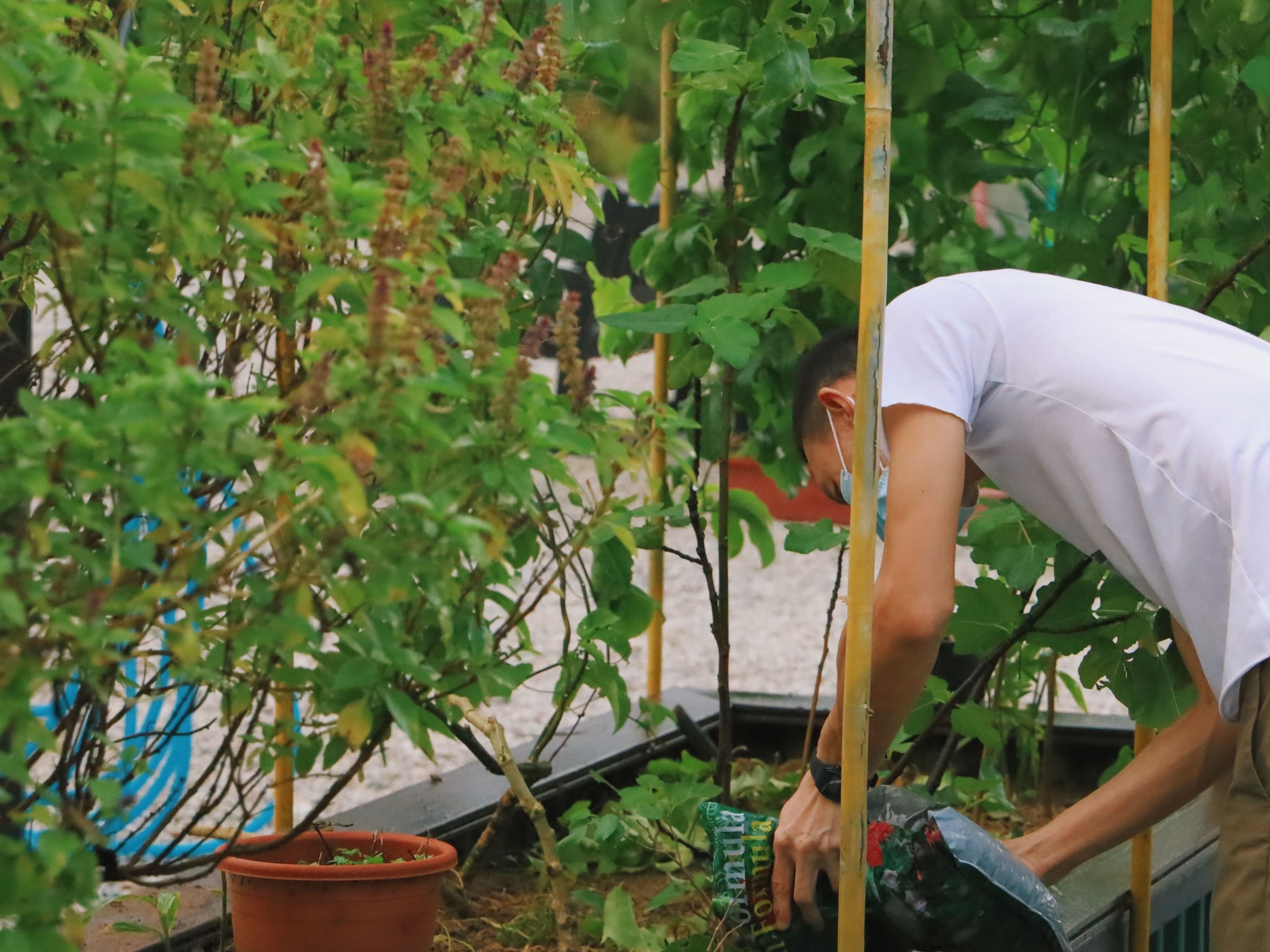
Singapore's first community-based circular ecosystem features a black soldier fly facility, tilapia fish farm and a vertical high-tech farm in the heart of the Tampines neighbourhood. Known as Sustainability@Tampines Park, this circular initiative is designed to engage residents to contribute their food waste as a way to grow produce locally. This project was launched in December 2020, as a move towards Singapore's goal of producing 30% of nutritional needs locally by 2030. Upon a successful pilot, the project will be replicated in other neighbourhoods within Singapore.
Problem
Tackling food waste is considered as a critical aspect under Singapore’s Zero Waste Masterplan. This is because food waste contributes to a high generation tonnage but has a low recycling rate. In 2020, 665 million kg of food waste was generated in Singapore yet only 19 per cent of the food waste was recycled. The other 80% was disposed alongside general waste at Waste-to-Energy plants for energy recovery. It is thus important to explore how waste can be better managed. Additionally, Singapore relies heavily on food imports (90%) and imported feed. This is where it is key to explore ways Singapore can fulfil nutritional needs locally. Brainstorming and implementing ways to extract value from food waste in a circular manner is useful to boosting food security.
Solution
Residents are encouraged to contribute their food waste such as vegetable cuttings, fruit peels, carbohydrates and meats to feed the black soldier fly larvae. Any unsuitable food scraps such as durian husks will be separated out by volunteers who manage and sort out the food waste. The black soldier fly larvae serve as decomposers in which frass, a by-product, is excreted from the larvae and are good fertilisers for the vegetables growing in the vertical farm. Simultaneously, the nutrient-rich larvae are a good feed for the tilapia in the fish farm. The fish and vegetable products harvested will eventually be sold to residents using their 'green currency' which they have earned through their food waste contributions. As such, this completes the circular ecosystem. This pilot project is a collaboration between commercial partners such as Otolith Enrichment Group and government agencies such as Singapore Food Agency in Singapore.
Outcome
This initiative aims to strengthen Singapore’s local food resilience, particularly to produce more food (30% by 2030) and reduce food waste. In September 2021, it has been reported that more than five tonnes of food waste has been used in their ecosystem as compared to being incinerated. The project has also been useful to raise awareness on food security and food waste, while encouraging residents to inculcate good habits. Feedback from local residents have been positive so far and the Tampines Town Council is planning to replicate this project to other parts of the neighbourhood, in hope of becoming a model Eco Town in Singapore by 2050.
Involved organisation(s)
Key elements of the circular economy
Attachments and links
Contributors
Owner
Contributor
Date added: May 28, 2022
Last updated: Mar 22, 2023
More from the contributors



Add your content
Strengthen the circular economy knowledge base by adding a report, case study, publication, or other resource to our platform!