Explore by topic

Circularity implemented in a swimwear business that goes beyond sustainability
Last updated: Apr 14, 2023

Summary
BAOBAB is a Colombian swimwear brand that focuses its attention on restoring nature and embracing the value of biodiversity. Sustainability as its identity and priority can be found throughout every element and every circular process of the brand.
Problem
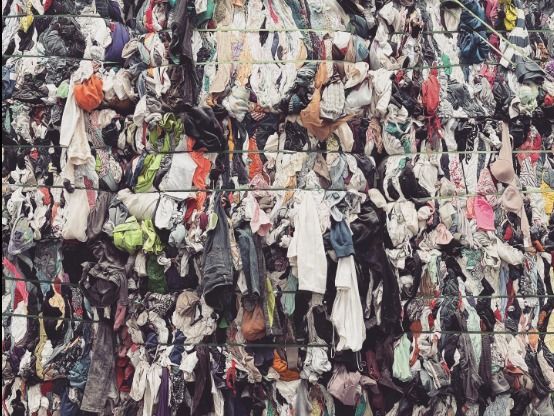
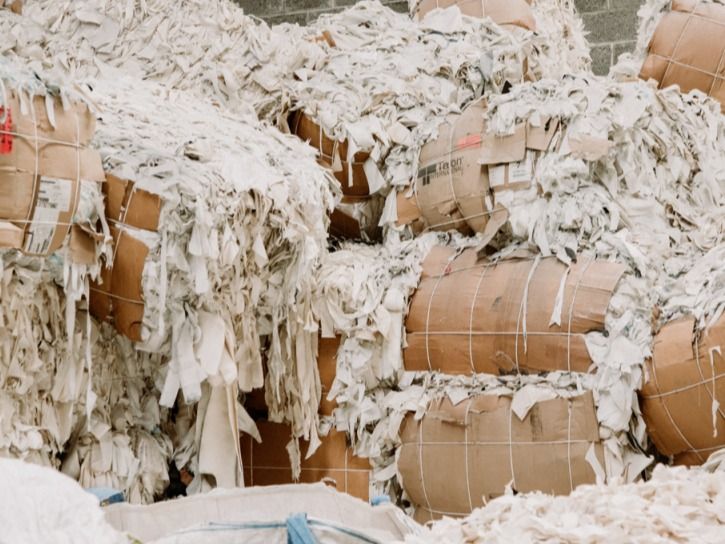
For decades fashion supplies and clothing pieces were sent to manufacturers in disposable plastic bags, conducing to a never-ending single-use plastic collection isle, and an inadequate dispersion in vulnerable ecosystems. Besides, fabric scraps were also disposed of instead of being reused, donated, or recycled to create other garments.
Solution
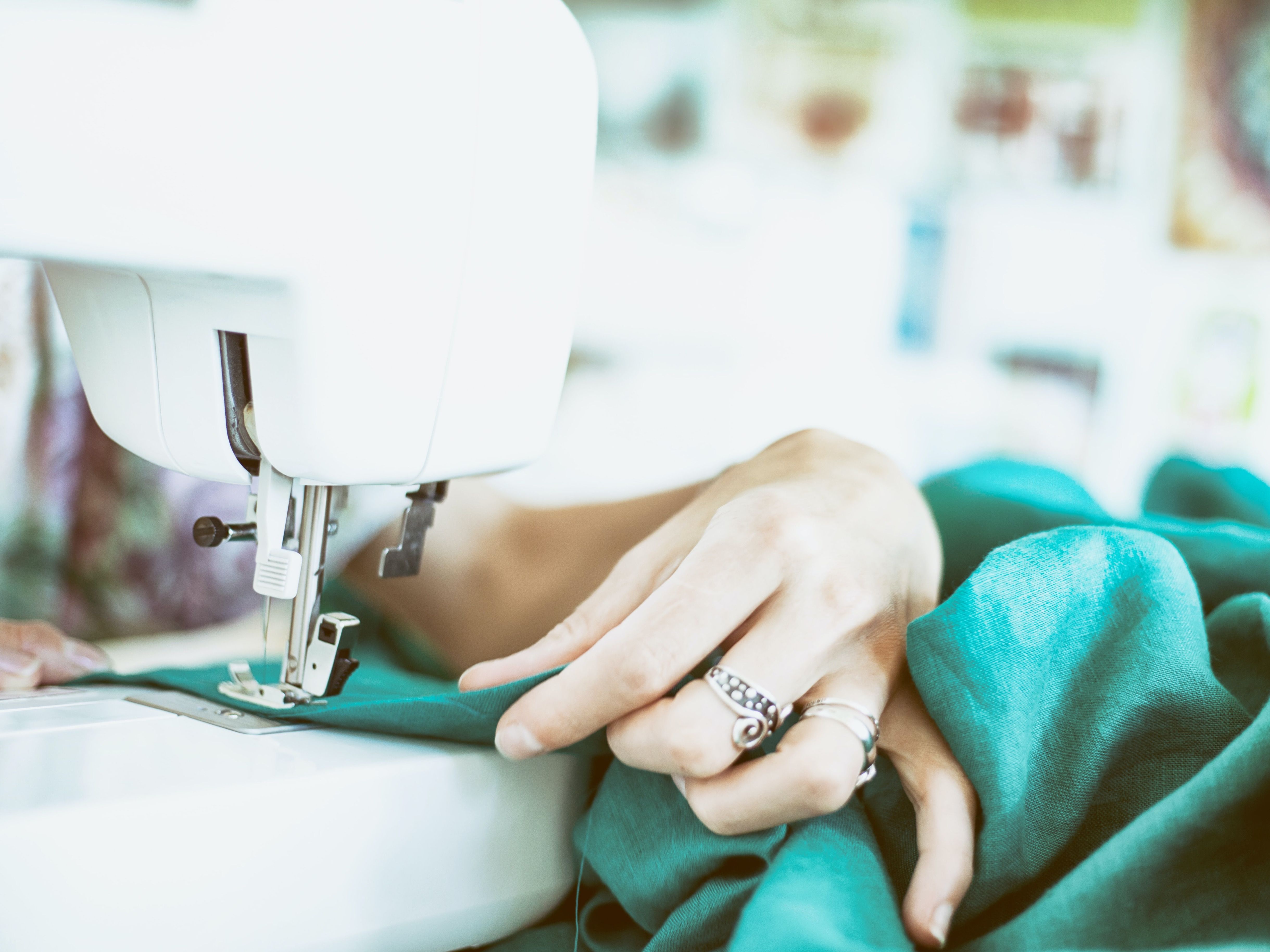
Baobab takes plastic and fishing nets from the ocean to recycle them into elegant and iconic pieces. Besides, this sustainable Colombian brand produces tote bags made from fabric scraps and biodegradable bags made from corn, reducing its plastic impacts. Moreover, they reduce waste by reusing old fabrics to contribute to a circular economy.
Outcome
In addition, for every suit sold, a tree is planted. Baobab has planted over 5000 trees so far. By promoting donation and reuse of fabric scraps through the cascade project, Baobab encourages communities to create or customize their garments and incentives a circular fashion pattern.
Location
Industries
Key elements of the circular economy
Attachments and links
Contributors
Owner
Contributor
Contributor
Date added: May 29, 2022
Last updated: Apr 14, 2023
More from the contributors


Add your content
Strengthen the circular economy knowledge base by adding a report, case study, publication, or other resource to our platform!