Explore by topic

Rapanui: The circular, organic, and carbon-neutral future of fashion
Last updated: Aug 2, 2022

Summary
Rapanui addresses the problem of waste in the textile industry by designing out waste and pollution from their production processes. To achieve that, they encourage customers to return clothing items to the factory when they are worn out, recirculate water, rely on renewable energy and modern technology, and use organic materials.
Problem
The linear fashion industry is responsible for large amounts of waste and CO2 emissions. Every second, the equivalent of a rubbish truck full of clothing ends up in a landfill or is incinerated. Throughout many conventional textile production processes, plastic is added and water gets polluted. According to Rapanui, 60% of textiles are made from and with plastics and wastewater represents the major source of pollution in the industry, together with thrown-away clothing.
Solution
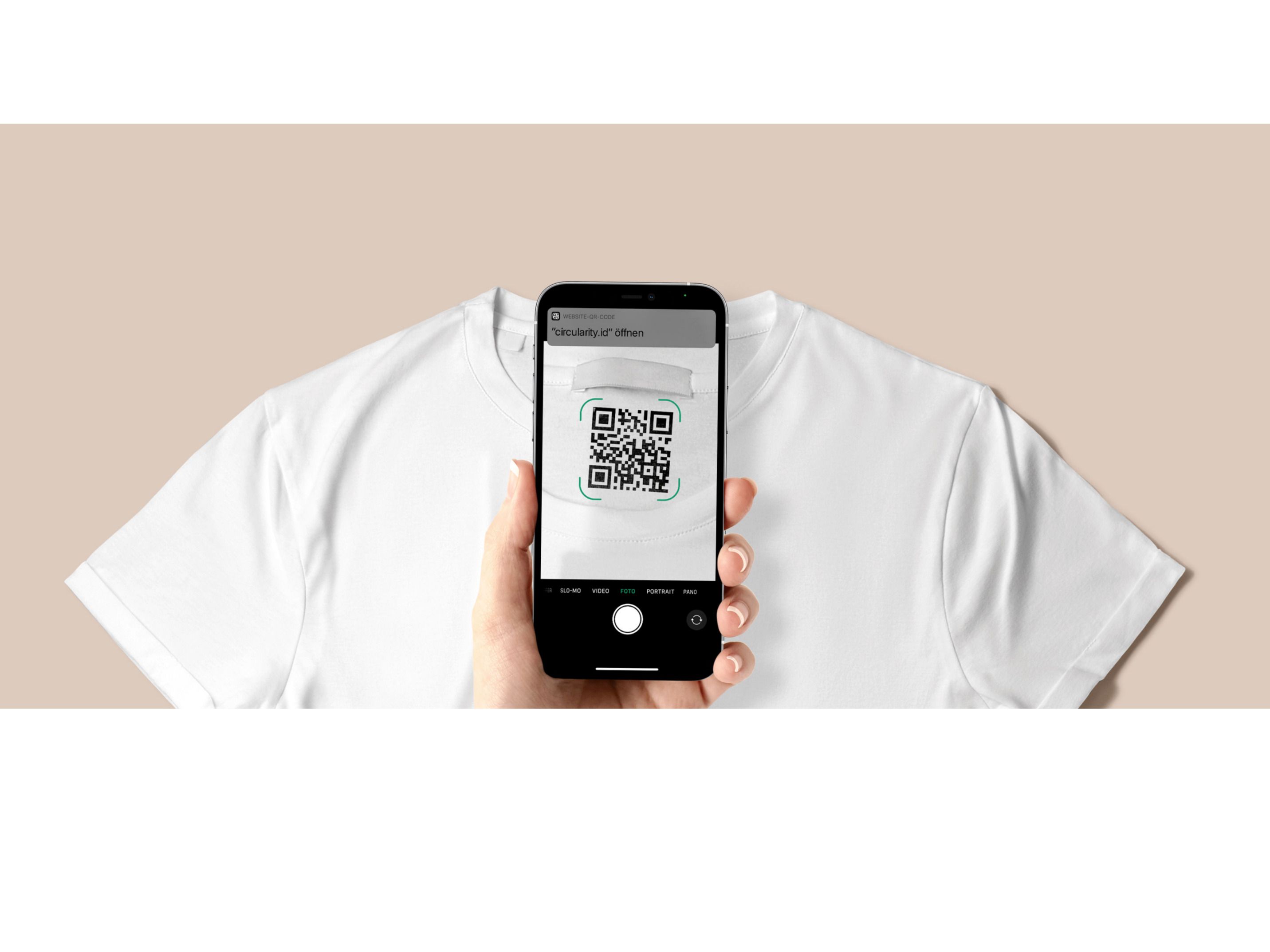
Rapanui addresses the problem of waste in the clothing industry by designing out waste and pollution from their production processes. Textiles are designed to be upcycled and remanufactured into new products when their lifetime is over. Each clothing item comes with a QR code, which, when scanned, enables a customer to get a Freepost return code and a reward for sending the product back to the factory. There, the material is reprocessed, respun and used for the production of new clothing items.
Rapanui uses organic cotton only and does not add plastic at any stage. Organic cotton is grown in the North of India, and the entire supply chain of the company is monitored closely to ensure sustainability, traceability, and fairness. Importantly, the amount of water used in production processes is reduced by applying a closed-loop system. That allows to recirculate, recover and reuse 95% of water. The factory also operates by using renewable energy. The company also uses printing on demand technology which means that customised T-shirts are made only when they are ordered by customers. This eliminates waste and allows cost savings.
Outcome
On-demand printing technology allows Rapanui to save money which is then spent on organic sourcing and renewable energy deployment. The wastewater closed-loop system allows the company to reuse 95% of the water and put it back into the production process. All of Rapanui's facilities are SA8000 certified, the company won the Queen's Award for Innovation. So far, Rapanui managed to recover over 86 thousand kg of textiles using the circular production processes.
Industries
Involved organisation(s)
Attachments and links
Contributors
Owner
Date added: Aug 1, 2022
Last updated: Aug 2, 2022
More from the contributors




Add your content
Strengthen the circular economy knowledge base by adding a report, case study, publication, or other resource to our platform!