Explore by topic

Ecokaari: Upcycling Waste Plastic Into Fabric
Last updated: Aug 11, 2022
Summary
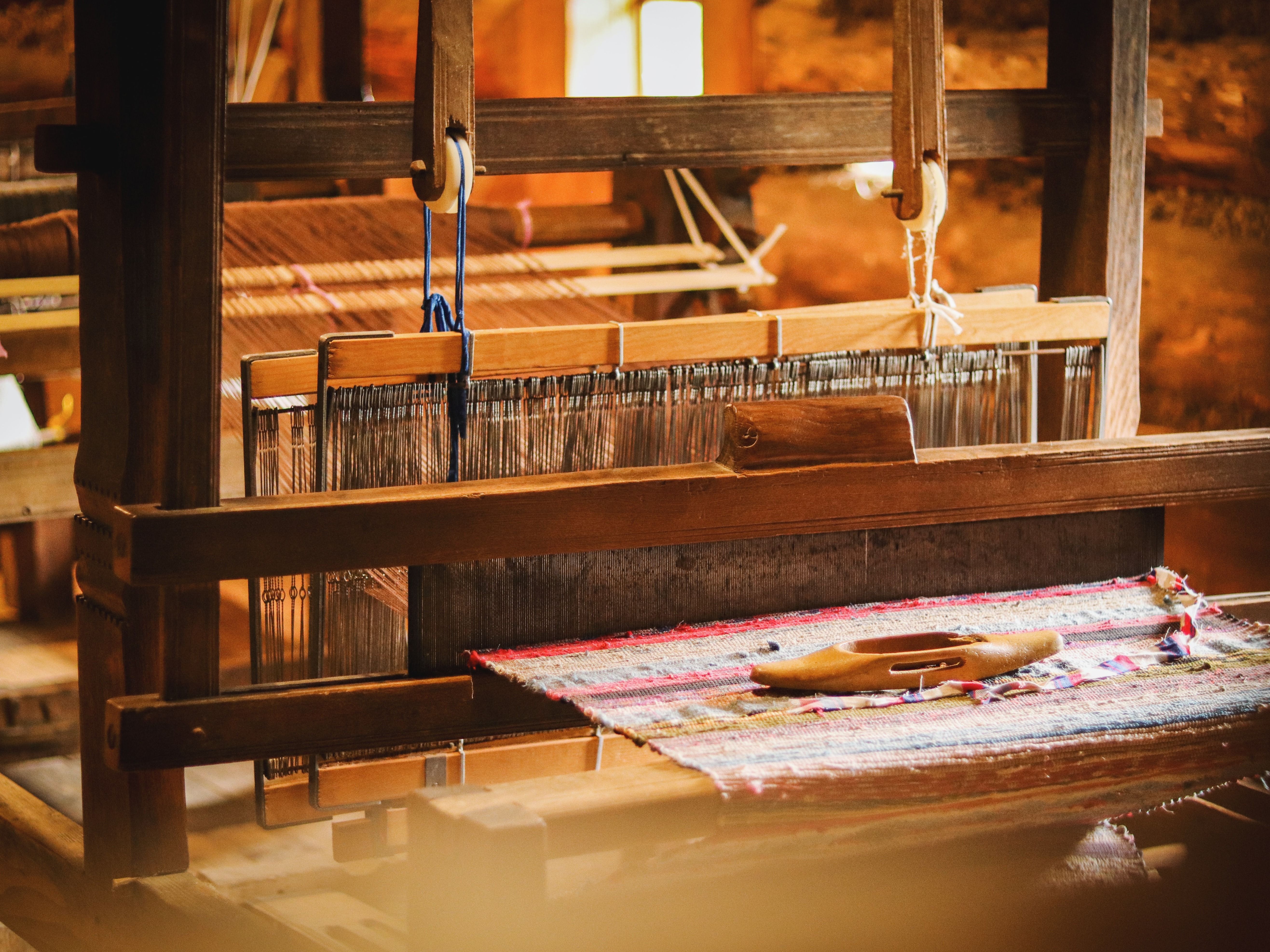
Recycling plastic is on an upward trend in India. Organisations, such as Ecokaari, have turned it into a social enterprise by encouraging the handicraft industry in India to move in the direction of recycling plastic waste. To this effect, weavers are taught to recycle plastic waste and use it in their charkha handlooms.
Problem
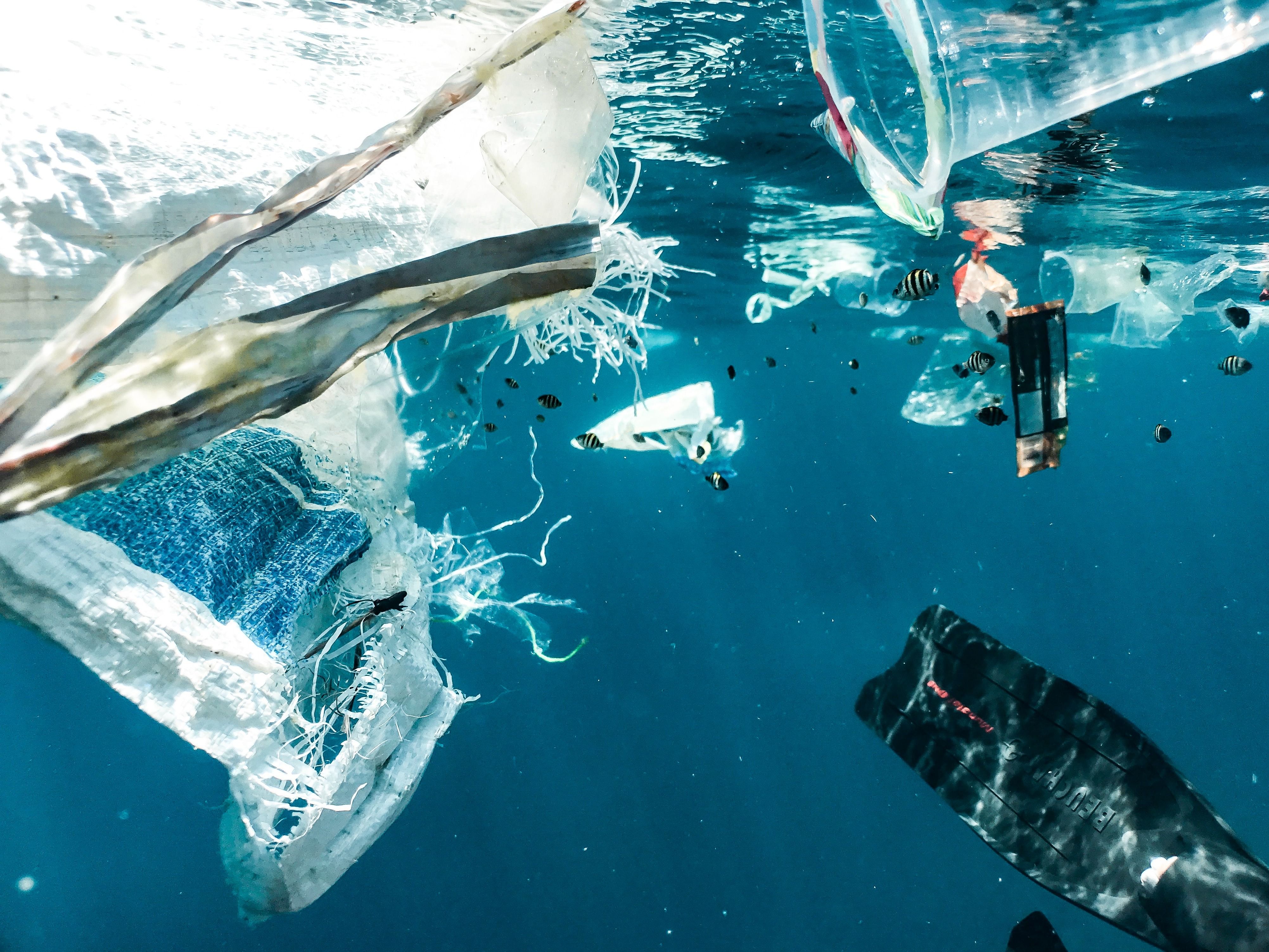
India generates about 3.5 million tonnes of plastic waste annually and has almost doubled over the last five years - resulting in clogging of drains, flooding, breeding of diseases, and impacting the country's river and marine resources.
Solution
Ecokaari is trying to create a pollution-free environment by:
1. Accepting donations of plastic waste.
2. Introducing simple charkha-based spindles in rural areas and solving the problem of the disposal of plastic sustainably
3. Conducting workshops and awareness sessions with educational institutions and companies
4. Participating in exhibitions, pop-ups, fairs, and more.
The recycling process is described as the following: The plastic waste is first washed, sanitised, and cut using scissors. These are then rolled onto the charkha and transformed into fabrics using handlooms. Lastly, fabrics are stitched into new fashion products and subsequently sold.
Ecokaari has also collaborated with some fashion designers, one of them being Gaurav Gupta, and employs women and youth from humble backgrounds to empower them.
Outcome
The fabrics are handwoven, bringing livelihood opportunities and contributing to the cottage and handicraft industry in India. Thanks to Ecokaari, 30-40 fewer plastic bags & wrappers are going into the landfills and oceans every day.
Location
Industries
Involved organisation(s)
Key elements of the circular economy
Attachments and links
Contributors
Owner
Contributor
Date added: Aug 10, 2022
Last updated: Aug 11, 2022
More from the contributors




Add your content
Strengthen the circular economy knowledge base by adding a report, case study, publication, or other resource to our platform!