Explore by topic

PANGAIA creating Biodegradable Polyester with Kintra Fibers
Last updated: Sep 12, 2022
Summary
Leading innovation company Pangaia joining forces with materials science company Kintra Fibers to help eliminate microplastic pollution by making polyester out of plants which can seamlessly biodegraded into the Earth post consumer usage.
Problem
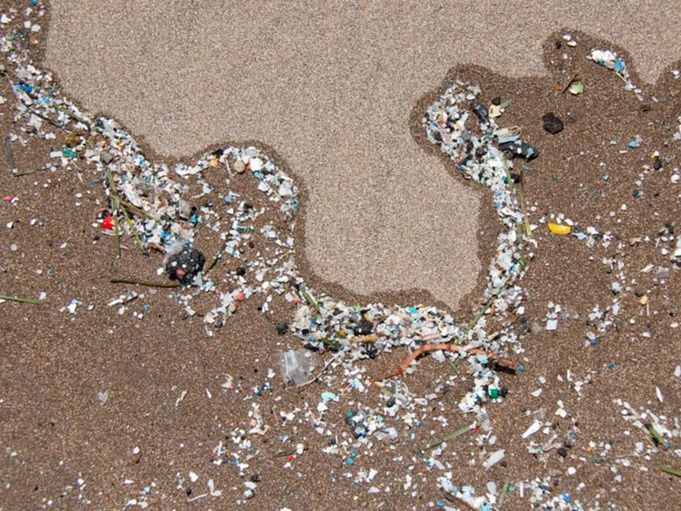
Washing clothes releases half a million tonnes of microplastics into the ocean each year which is equivalent to over 50 billion plastic bottles. Currently, over 60% of global textile fibers are synthetic materials. The microfibers they shed are toxic to wildlife and the environment. They also take hundreds of years to decompose and contribute to the 80% of marine pollution which comes from land-based activities. Today, recycled plastic bottles (rPET) are the current industry standard for polyester fibers, however, these still contribute to microplastic pollution. These microplastics get transmitted through water filtration systems and end up in the ocean and lakes, threatening ocean life.
Solution
Pangaia is partnering with Kintra Fibers which makes high-performance, bio-based and compostable yarns formulated to keep our oceans microfiber-free. Their mission is to improve and pioneer industry standards for synthetic materials by helping to scale Kintra’s resin and yarn process through their supply chain and develop first-of-its-kind compostable fabric blends and apparel. Kintra’s fibers are a form of polyester called polybutylene succinate (PBS) which is biodegradable and compostable, currently derived from corn instead of fossil fuels.
Outcome
The new Kintra material is a solution to the problematic overuse of traditional, petroleum-based, and non-biodegradable synthetic fabrics that contribute to microplastic pollution. The Kintra resin and yarns can be seamlessly integrated into existing synthetic manufacturing and textile production supply chains at a competitive price point, providing a scalable and cost-effective sustainable alternative to synthetics such as PET, rPET, or nylon. The new Kintra material offers brands the opportunity to set a new standard of transparency in the synthetic material supply chain.
Location
Industries
Involved organisation(s)
Key elements of the circular economy
Attachments and links
Contributors
Owner
Contributor
Date added: Sep 1, 2022
Last updated: Sep 12, 2022
More from the contributors



Add your content
Strengthen the circular economy knowledge base by adding a report, case study, publication, or other resource to our platform!