Explore by topic

Denim to Denim - Supporting circular denim practices in Nigeria with the first report of the New Landscapes Catalyst R&D Scheme
Last updated: Oct 6, 2022

Summary
UAL Fashion, Textiles and Technology Institute (FTTI) and British Council have published the first report of the New Landscapes: Fashion, Textiles and Technology (FTT) Catalyst R&D Grant Scheme pilot programme. The pilot ran from January to April 2022 and brought together 5 UK fashion and textile small-to-medium enterprises (SMEs) and counterparts in Official Development Assistance (ODA) countries. One of these collaborations is Denim to Denim.
Problem
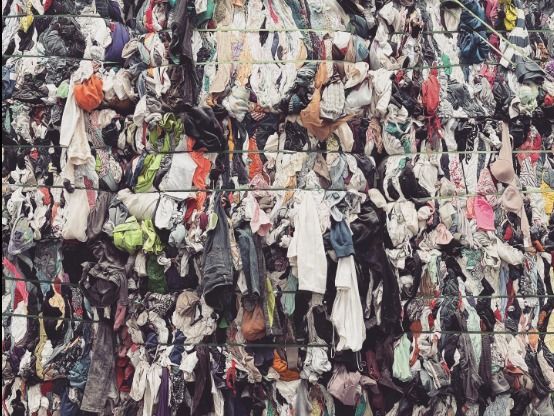
Overproduction of denim in the global north has created a strong global market for second-hand denim. Garments are passed on for recycling or repurposing, often in developing countries. Where skilled tailors, menders and other artisans play a key role in recycling textiles. However, the informal nature of their work means they are often overlooked in more formal industry narratives for increasingly high-value circular practices.
Solution
Denim to Denim is a virtual platform which convenes marginalised voices in denim recycling—tailors, menders, and up-cycler - to explore and foster circular solutions for future denim design and production practices. It was developed by Jocelyn Whipple from Devon, UK and Sola Idowu from Lagos, Nigeria. The aim of the collaboration was to explore circular textiles through the lens of the people implementing circular practices on the ground rather than the big corporations. One of the key insights is regarding stretch denim – increasingly popular but problematic for recycling, upcycling and longevity because of the mixed synthetic and cotton fibres.
Outcome
One outcome from the New Landscapes Denim to Denim project research, resulted in a set of practical recommendations for the denim industry, surrounding physical durability (creating products that can resist damage and wear), as well as emotional durability (creating products that can stay relevant to the user or have multiple users and uses over time).
Other outcomes include:
1. A virtual platform was created that enabled diverse and marginalised voices from across the denim industries in the UK and Nigeria to collaborate on circular solutions for denim design and production.
2. A series of practical recommendations on improving the durability of denim garments were created, informing the wider fashion industry and contributing to global dialogue around circular denim.
3. Development of a blueprint approach toward workable methods, with the potential to train and facilitate the same process for other global regions.
4. Scoping potential links with UK sustainable denim practices and SMEs.
Location
Industries
Involved organisation(s)
Key elements of the circular economy
Attachments and links
Contributors
Owner
Date added: Oct 6, 2022
Last updated: Oct 6, 2022
More from the contributors


Add your content
Strengthen the circular economy knowledge base by adding a report, case study, publication, or other resource to our platform!