Explore by topic

A collaborative effort to support passive design and resource efficient housing under Mexico’s EcoCasa Programme
Last updated: Jan 17, 2025
Summary
The EcoCasa programme aims to minimise the impact of Mexico's building stock, and issues credits for houses with reduced energy consumption.
Problem
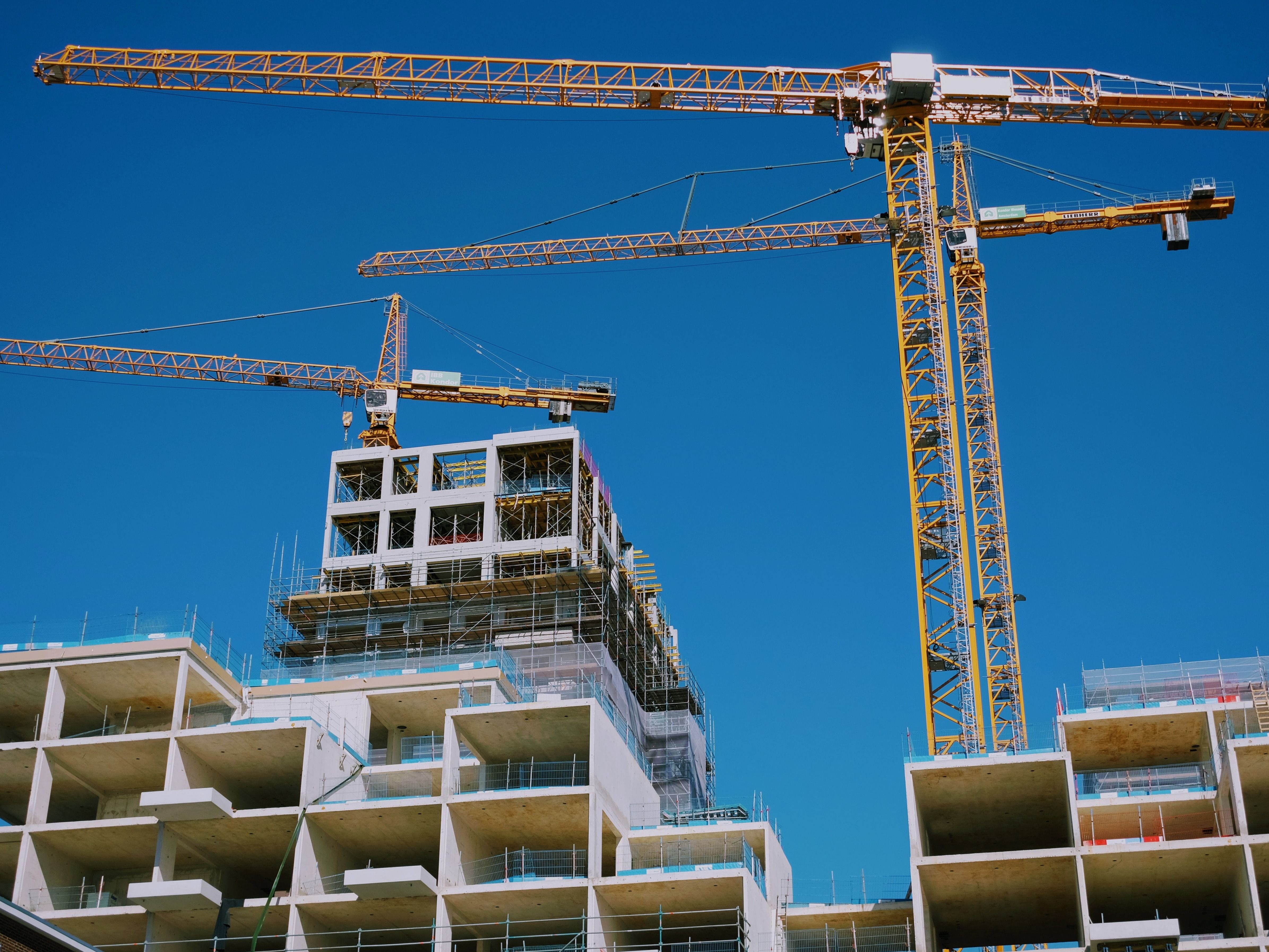
Every year, another 2 million people in Mexico need a home. Mexico hosts the second largest construction market in all of Latin America, and its building stock is estimated to gain 2.6 million new houses between 2018 and 2025. As the global construction sector consumes a large proportion of materials and energy, it’s an urgent imperative to limit the environmental impact of that growth.
Solution
The EcoCasa programme is managed by the state-run development bank, Sociedad Hipotecaria Federal, and issues credits for houses that have a 20% reduced energy consumption. The EU funded an ambitious extension to this programme, supporting houses which have an 80% reduced energy consumption and meet the Passive House Standard.
Combined with the EDGE programme from the IFC, embodied carbon is also accounted for. Embodied carbon refers to emissions associated with the production of materials, construction, maintenance and eventual decommissioning of a building. Some EcoCasa buildings have over 20% less embodied carbon, while some EDGE-certified buildings reach 44% embodied carbon reduction. As the project develops, an objective of EcoCasa is to bring more environmental considerations within its scope: targeting water use, transport and embodied energy. The programme is receiving recognition for its ability to transform the whole construction sector and its replication potential.
Outcome
The speed at which Mexican building stock is expanding is such that— despite the success of the green building programmes—by 2025, only 9% of new construction will be green buildings. The EcoCasa programme is part of a country-wide effort to minimise the impact of the existing building stock, while keeping pace with population growth. For something as large and important as greening the built environment, multi-stakeholder partnerships can bring about the required change. The EcoCasa programme is supported by government regulations, such as the building energy norms and an energy code. It is also a programme in which several initiatives work collectively to incentivise green building construction from different angles. Apart from the EcoCasa programme, the INFONAVIT green mortgage programme supports building efficiency measures. The EDGE programme helps design and certify resource-efficient buildings and gradually move to a zero carbon building stock.
Mexico City offers tax breaks for buildings with solar water heaters. Meanwhile, other cities across Mexico offer tax breaks for solar photovoltaic systems, or have committed to reaching net-zero in new construction by 2030, and within the whole building stock by 2050.
Location
Industries
Key elements of the circular economy
Attachments and links
Contributors
Owner
Date added: Jan 19, 2023
Last updated: Jan 17, 2025
More from the contributors


Add your content
Strengthen the circular economy knowledge base by adding a report, case study, publication, or other resource to our platform!