Explore by topic

Reformation's circular fashion supply chain: from materials to recycling
Last updated: Oct 23, 2024
Summary
Reformation, a fashion brand, addresses the environmental impact of fashion, to minimise waste by using ethical production processes.
Problem
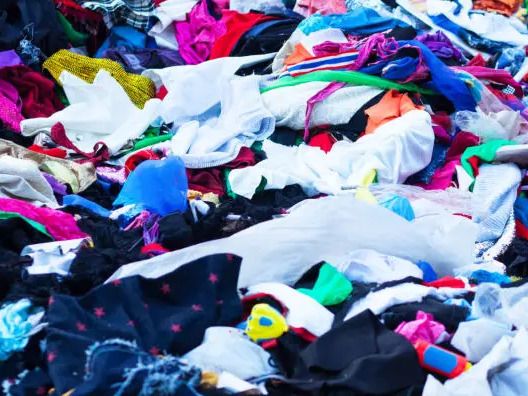
The fashion industry is notorious for generating massive amounts of waste and consuming unsustainable levels of resources. Fast fashion practices lead to textile waste, with a significant portion of clothing ending up in landfills, contributing to environmental degradation. The fashion industry also contributes to resource depletion and pollution, with traditional materials like conventional cotton and polyester demanding excessive amounts of water, energy, chemicals, and fossil fuels.
Solution
Fashion brand, Reformation, incorporates circular economy principles into its business model by using eco-friendly materials.
They also offer a ‘RefScale’ on their website, which estimates the environmental impact of each garment. Reformation encourages customers to recycle their old clothing through their ‘Reformation Vintage’ programme.
Outcome
Reformation’s RefScale provides transparency about environmental impact, empowering customers to make more eco-friendly choices. The Reformation Vintage program extends the life of garments and reduces the need for virgin materials.
The brand can contribute to reducing pressure on planetary boundaries such as climate change as the conventional fashion industry relies heavily on virgin resources like conventional cotton and polyester. The production of these materials, particularly polyester (derived from fossil fuels), generates significant greenhouse gas emissions, exacerbating climate change. Reformation’s use of eco-friendly materials, such as recycled fibers and organic cotton, helps lower the brand’s carbon footprint.
Industries
Involved organisation(s)
Key elements of the circular economy
Attachments and links
Contributors
Owner
Contributor
Date added: Oct 8, 2024
Last updated: Oct 23, 2024
More from the contributors





Add your content
Strengthen the circular economy knowledge base by adding a report, case study, publication, or other resource to our platform!