Explore by topic

Grondbank Leeuwarden: A Circular Approach to Soil Reuse
Last updated: Apr 1, 2025
Summary
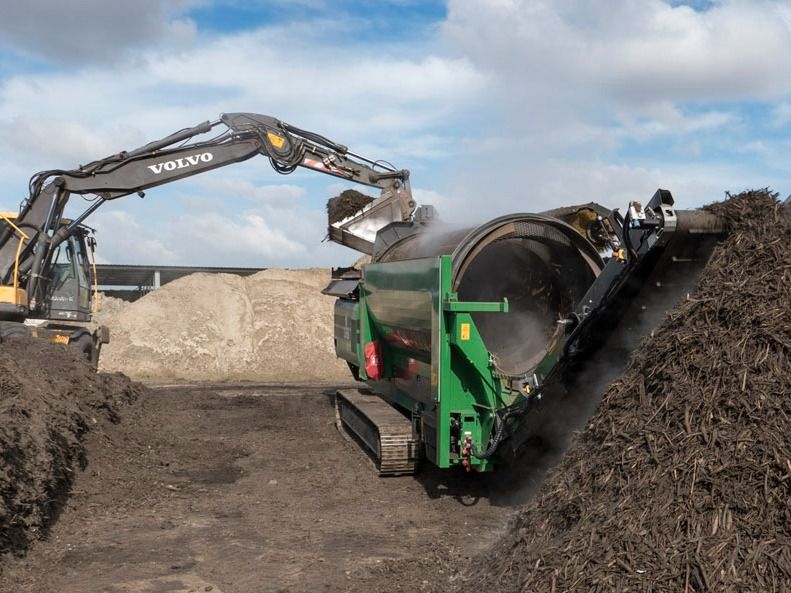
The Municipality of Leeuwarden has established a permanent soil bank to achieve 100% circular soil flows.This initiative involves the local storage, assessment, and reuse of soil from urban and regional development projects, thereby reducing transportation needs and repurposing soil into valuable materials.This approach enhances circularity, minimises soil toxicity, and supports a more sustainable and efficient land management system.
Problem
Traditional soil management practices often involve transporting excess soil over long distances for disposal or reuse, leading to increased carbon emissions and higher costs.Additionally, without proper assessment, contaminated soil can pose environmental risks, hindering sustainable land development.
Solution
Leeuwarden's soil bank provides a dedicated location where soil from various projects is collected, tested, processed, and stored for future use. By evaluating the quality and composition of the soil, the municipality ensures that only safe and suitable soil is reused in new developments. This system promotes local reuse, reduces transportation requirements, and supports the creation of valuable soil products, such as compost and bomengrond (tree soil). This approach to soil management-by increasing reuse and promoting the regeneration of soils-demonstrates an exemplary model of circular soil management.
Outcome
The implementation of the soil bank has resulted in a closed soil loop, achieving high circularity and feasibility scores. By storing and processing soil locally, transport movements have been significantly reduced, contributing to lower CO₂ emissions. Additionally, the initiative has fostered new collaborations and innovations in soil treatment and reuse, aligning with Leeuwarden's broader goals for a circular economy and its ongoing transition.
Involved organisation(s)
Key elements of the circular economy
Contributors
Owner
Date added: Mar 24, 2025
Last updated: Apr 1, 2025
More from the contributors


Add your content
Strengthen the circular economy knowledge base by adding a report, case study, publication, or other resource to our platform!