Explore by topic

Waterschoon: Leading the Way in Urban Circular Water
Last updated: May 15, 2025
Summary
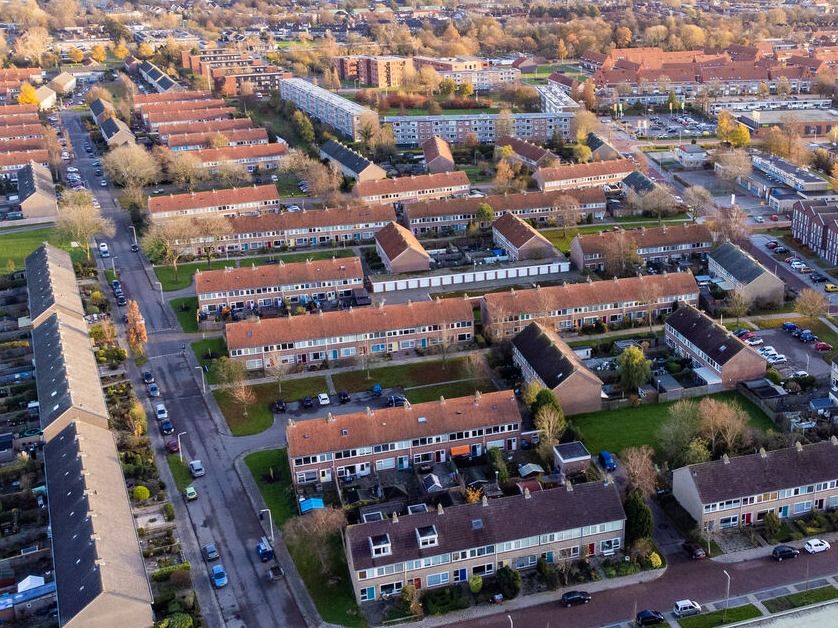
The Noorderhoek neighbourhood in Sneek, Friesland, is the first of its kind to implement decentralised wastewater treatment, reducing reliance on centralised systems and lowering drinking water consumption. This approach enables more sustainable water use, supports nutrient recovery, and contributes to CO2 emission reductions by minimising energy-intensive water treatment processes. The project, called Waterschoon, was instrumental in the development of DeSaH, a company that has since scaled this water technology internationally. The success of Waterschoon is closely linked to Friesland’s water technology ecosystem, particularly WaterCampus, which played a critical role in advancing research, innovation, and business development in circular water solutions.
Noorderhoek’s decentralised wastewater treatment system demonstrates how circular water management can be successfully implemented in urban settings. By fostering collaboration between research institutions and businesses, Friesland continues to lead in water technology innovation, providing a replicable model for sustainable urban water solutions.
Problem
Traditional wastewater management relies on centralised treatment systems, which are energy-intensive and inefficient at nutrient recovery. Toilet water, which constitutes around 9% of daily wastewater in Friesland but over 90% of all pollutants such as nutrients and pathogens, is mixed with greywater, making resource recovery more challenging. The existing approach leads to high energy consumption, water wastage, and the loss of valuable nutrients, which could otherwise be returned to agricultural systems. The need for a more efficient, decentralised solution was evident, particularly in urban developments aiming for circular water management.
Solution
Noorderhoek implemented an innovative decentralised wastewater treatment system. The approach included vacuum toilets, which significantly reduce water use and keep black water separate from greywater, enabling easier nutrient recovery. The concentrated black water undergoes an advanced treatment process that extracts nutrients and generates clean water. Greywater from showers, sinks, and washing machines is treated separately, producing relatively clean water for reuse. The system is energy-efficient, reducing the energy required for wastewater treatment and lowering CO2 emissions.
This initiative led to the founding of DeSaH, a company that emerged from testing this technology in Friesland. DeSaH has since scaled the model internationally, and helped among others the development of the new sanitation project in Helsingborg in Sweden.
Outcome
The Noorderhoek project has demonstrated the feasibility and benefits of decentralised wastewater treatment, leading to several key impacts. By using vacuum toilets, overall drinking water demand is significantly reduced. The system enables the extraction and reuse of valuable nutrients from human waste, supporting sustainable agriculture. Energy savings from the decentralised system contribute to lower CO2 emissions compared to traditional wastewater treatment methods. The technology, developed and tested in Noorderhoek, has been successfully applied internationally, with further implementation in Leeuwarden to develop off-grid water solutions. Additionally, the initiative highlights Friesland’s leadership in water technology and the role of WaterCampus in fostering circular innovations by connecting research institutions and businesses.
Location
Industries
Involved organisation(s)
Key elements of the circular economy
Attachments and links
Contributors
Owner
Date added: Mar 31, 2025
Last updated: May 15, 2025
More from the contributors



Add your content
Strengthen the circular economy knowledge base by adding a report, case study, publication, or other resource to our platform!