Explore by topic

Sabon Sake - Regenerating soil
Last updated: Jul 5, 2022
Summary
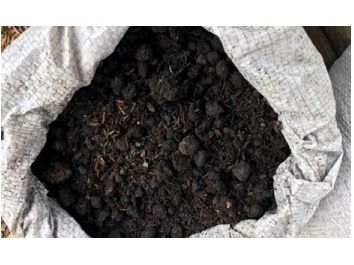
Sabon Sake uses agricultural waste to create microbe-enriched biochar that can regenerate infertile and degraded farm soils. The soil amendment is produced with agricultural waste from sugarcane. Sabon Sake uses thermochemical conversion technology to produce biochar, which is inoculated with microorganisms and used as a customised soil blend. This helps sequester carbon which would otherwise be released into the atmosphere.
Problem
Soil degradation is a common problem that farmers experience after years of farming their land. Most farmers in Ghana depend on costly chemical fertilisers to artificially boost nutrients and enhance their yields. The use of chemicals can cause further soil degradation, which in turn affects the nutritional value of the food that is grown. Meanwhile, farmers either burn or openly dump agricultural waste, which could otherwise be used to rejuvenate degraded soil with nutrients and organic matter.
Solution
Sabon Sake produces regenerative soil solutions to help reverse infertile and degraded farm soils. The amendment is produced with agricultural waste from sugarcane. Sabon Sake uses thermochemical conversion technology to produce biochar, which is inoculated with microorganisms and used as a customised soil blend. This sequesters carbon released into the atmosphere. Sabon Sake has partnered with agrowaste producing districts in the South Volta region, where they have easy access to waste produced as an agricultural by-product. Their location enables easy distribution of products to farms in other communities. They organise knowledge sharing workshops with farmers where they raise awareness of their soil blend and provide training on climate-resilient agricultural practices. Sabon Sake was the winner of the 2019 Climate Launchpad competition in Ghana.
Location
Industries
Involved organisation(s)
Key elements of the circular economy
Attachments and links
Contributors
Owner
Contributor
Contributor
Date added: Feb 15, 2021
Last updated: Jul 5, 2022
More from the contributors


Add your content
Strengthen the circular economy knowledge base by adding a report, case study, publication, or other resource to our platform!