Explore by topic

Oko Forests - Agroforestry, Biochar
Last updated: Dec 12, 2022

Summary
Ghana-based OKO Forests develops agroforestry systems, linking a network of smallholder farmers to both international and domestic markets.
Problem
Farmers are more likely to adopt regenerative agriculture methods if they are tied to income security. As current cash crops become increasingly vulnerable to the effects of climate change, the kinds of resources that will allow farmers to better adapt to this reality need to be more accessible. This means giving farmers better rights over their land, providing access to value-added inputs, and creating the space for community discussions about the land they work.
Solution
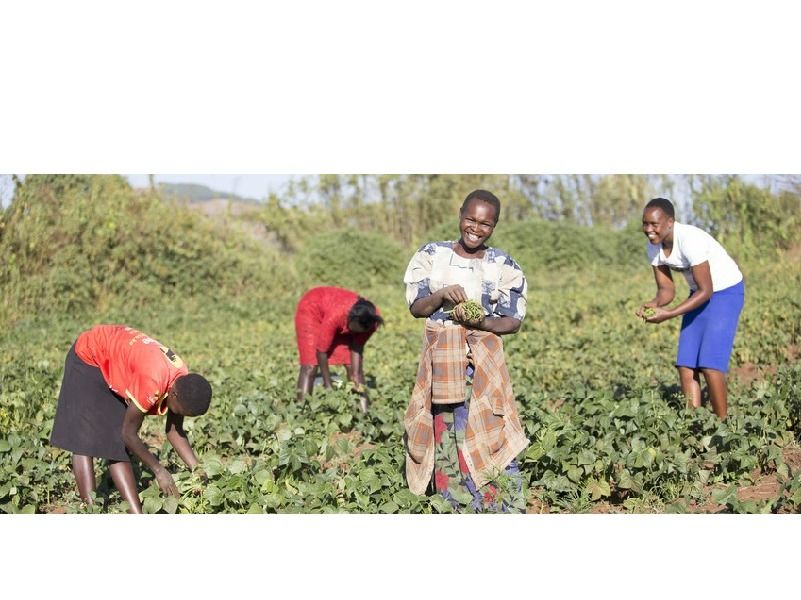
OKO Forests creates a step-by-step programme that enables their smallholder farmers to adopt agroforestry techniques. At present, they hold a 50-year lease of 85 acres divided up between 22 farmers. As part of this arrangement they have concluded agreements to allow the farmers to pass plots to their children, giving them the ability to invest for the long term. Once farmers are trained on how to farm the land, they are provided with high quality inputs and purchase agreements. Crops are chosen based on market demand and value-addition potential. OKO Forests harvests the crops, transports them, warehouses them and processes them. In the next five years OKO Forests hopes to set up a network of warehouses that focus on three to four main commodities, incorporating OKO Energy biomass fuel and biochar into the production process, as well as producing timber for the Eco-Innovation Foundation branch.
Location
Industries
Involved organisation(s)
Key elements of the circular economy
Attachments and links
Contributors
Owner
Contributor
Date added: Mar 4, 2021
Last updated: Dec 12, 2022
More from the contributors




Add your content
Strengthen the circular economy knowledge base by adding a report, case study, publication, or other resource to our platform!