Explore by topic

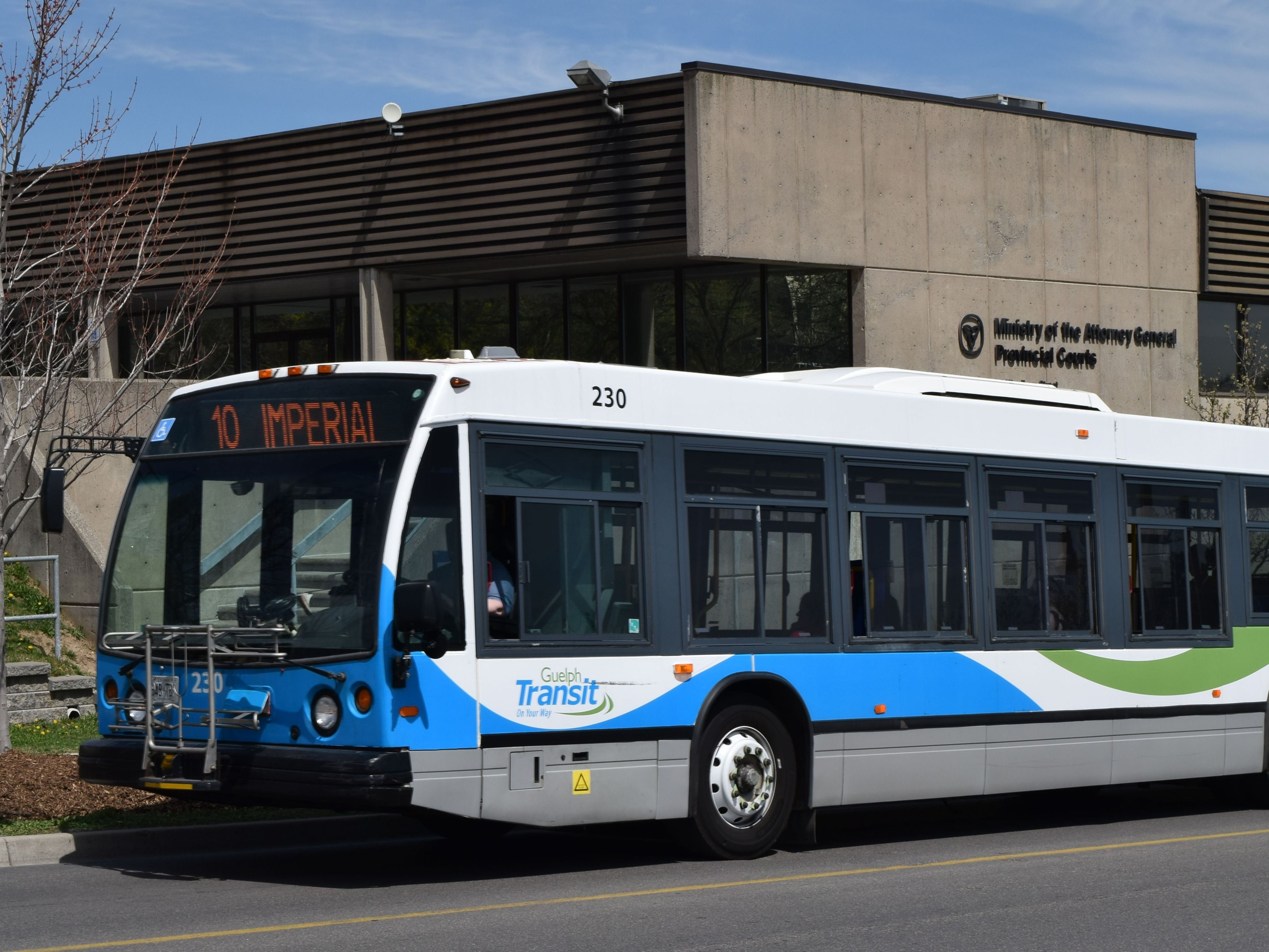
Washing buses with rainwater in Guelph
Last updated: May 25, 2022
Summary
People in Guelph use 30% less water than the average Canadian. Guelph’s water supply takes longer to replenish, and is more vulnerable to overuse, so buses in the city are now washed with stormwater. The Municipality installed an integrated rainwater-harvesting and rinse-water-reclamation system to reduce water consumption and wash chemical requirements at the Guelph Transit facility.
Problem
Guelph, Canada, relies on a limited reservoir of groundwater for its drinking water supply. The city has introduced various water saving infrastructure solutions to reduce water consumption and preserve potable water for drinking.
Solution
One such solution is Guelph's rainwater bus washing system, which has saved over 1 million liters of drinking-quality water and led to municipal cost savings since it launched in 2012. The system works by capturing rainwater, which is used to wash the city's buses. Guelph has been able to store enough water to wash its entire bus fleet since storage capacity was increased in 2016. The system also reduces the need for detergent, since rainwater is naturally soft. The city earned a Water's Next award for the project.
Outcome
The project led to better water conservation, reduced stormwater discharges and groundwater-supply preservation. Guelph's rainwater bus washing system uses 25 per cent less water (1.9 million litres) a year, reducing the burden on its stormwater management systems and, since rainwater is naturally soft, using about 25 per cent less soap.
Location
Industries
Key elements of the circular economy
Attachments and links
Contributors
Owner
Contributor
Contributor
Date added: Aug 19, 2021
Last updated: May 25, 2022
More from the contributors

Add your content
Strengthen the circular economy knowledge base by adding a report, case study, publication, or other resource to our platform!