Explore by topic
Retaining value from waste in manufacturing: Sohar Aluminium in Oman
Last updated: Apr 29, 2026
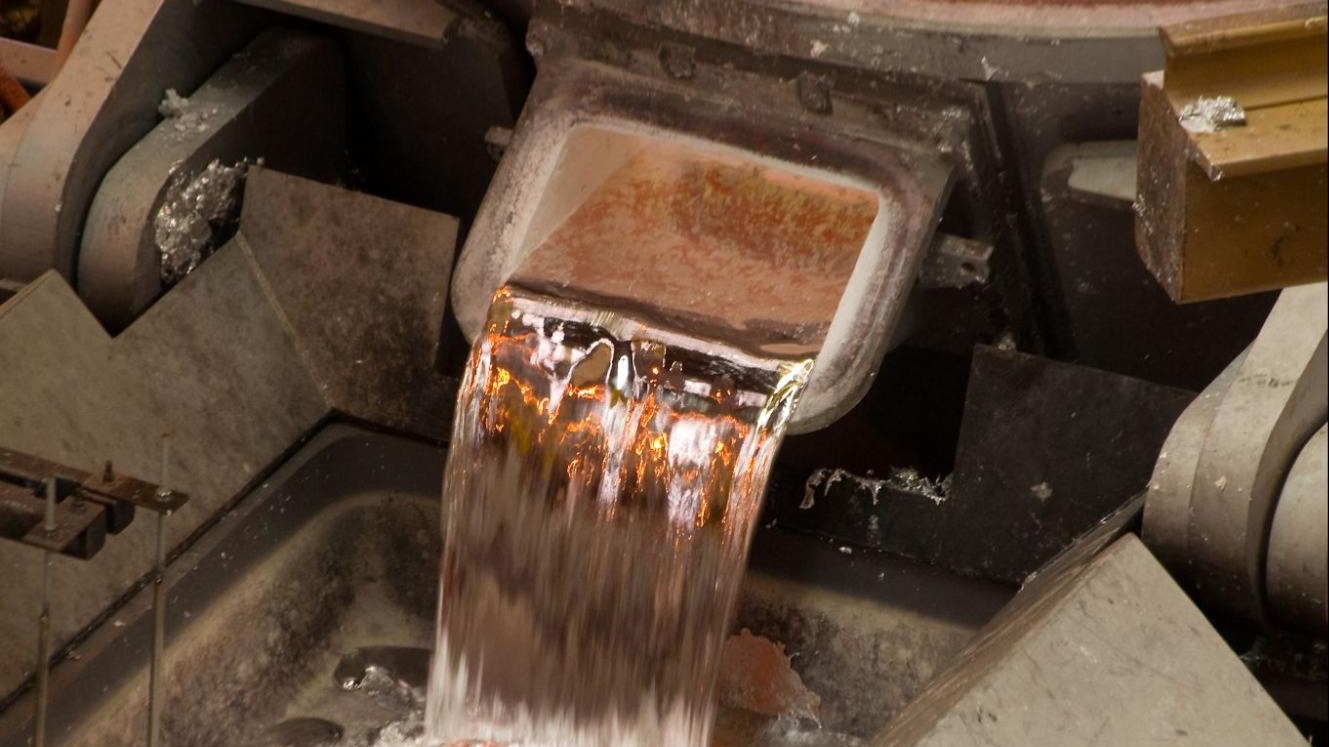
Photo from Sohar Aluminium Website
Summary
Omani aluminium producer, Sohar Aluminium, is integrating circular economy principles into its manufacturing operations, positioning aluminium recycling as a strategic lever for domestic value creation. By strengthening local recycling capacity, the company aims to reduce reliance on imported raw materials, improve resource efficiency, and support job creation while enhancing Oman’s attractiveness for foreign investment in circular manufacturing.
Problem
Linear manufacturing models are characterised by intensive resource extraction, high energy use, significant waste generation, and substantial greenhouse gas emissions. In Oman, manufacturing plays a central role in the country’s economic diversification strategy but remains largely resource- and energy-intensive, with limited uptake of circular practices such as reuse, remanufacturing, recycling, and industrial symbiosis.
In Oman, industrial activities are geographically concentrated in hubs such as Sohar, Duqm, and Salalah, creating clear opportunities for shared infrastructure and material flows. However, these opportunities remain largely underexploited due to limited policy incentives, gaps in technical expertise, underdeveloped recycling infrastructure, and a lack of mature circular supply chains. As a result, industrial waste streams are not fully valorised, and the sector continues to depend heavily on imported primary materials.
Solution
Circular manufacturing replaces extractive, linear models with regenerative systems that retain material value, reduce waste, and lower exposure to volatile global raw material markets. For Oman, this transition offers cost savings, increased supply-chain resilience, reduced emissions, and opportunities for innovation and employment.
Sohar Aluminium has begun applying circular principles through the reuse, recycling, and recovery of materials across its operations. These initiatives include the recycling of aluminium scrap as well as other long-standing material streams such as ferrous metals, batteries, tyres, wood, paper, and plastics. In 2024, Sohar Aluminium recycled up to 90% of the long-standing materials mentioned, generating revenue from materials previously treated as waste.
Aluminium recycling is particularly significant due to its substantially lower energy requirements compared to primary aluminium production, making it a high-impact circular manufacturing strategy. In addition to material recovery, Sohar Aluminium is advancing energy-efficiency projects and workforce well-being programmes as part of a broader approach to sustainable industrial operations. The company positions Oman as a potential aluminium recycling hub within the Gulf Cooperation Countries (GCC), highlighting the strategic importance of circular manufacturing in the region.
Outcome
In 2024, Sohar Aluminium recycled approximately 3,500 tonnes of aluminium scrap, with ambitions to increase volumes in subsequent years. These efforts contribute to higher material retention within Oman’s manufacturing system and demonstrate the economic viability of circular practices in heavy industry. At the national level, recycling rates for scrap materials have increased from approximately 25% in 2022 to 40% in 2024, indicating growing momentum for industrial recycling. While further clarification and standardisation of metrics are needed, Sohar Aluminium’s initiatives illustrate how circular manufacturing can reduce waste, improve resource efficiency, and support Oman’s broader economic diversification and sustainability objectives.
Sources include links added and information provided by Sohar Aluminium.
Location
Industries
Involved organisation(s)
Key elements of the circular economy
Attachments and links
Contributors
Owner
Date added: Apr 29, 2026
Last updated: Apr 29, 2026
Add your content
Strengthen the circular economy knowledge base by adding a report, case study, publication, or other resource to our platform!