Explore by topic

From waste to value: Tadweer Future Projects, Oman
Last updated: Apr 29, 2026
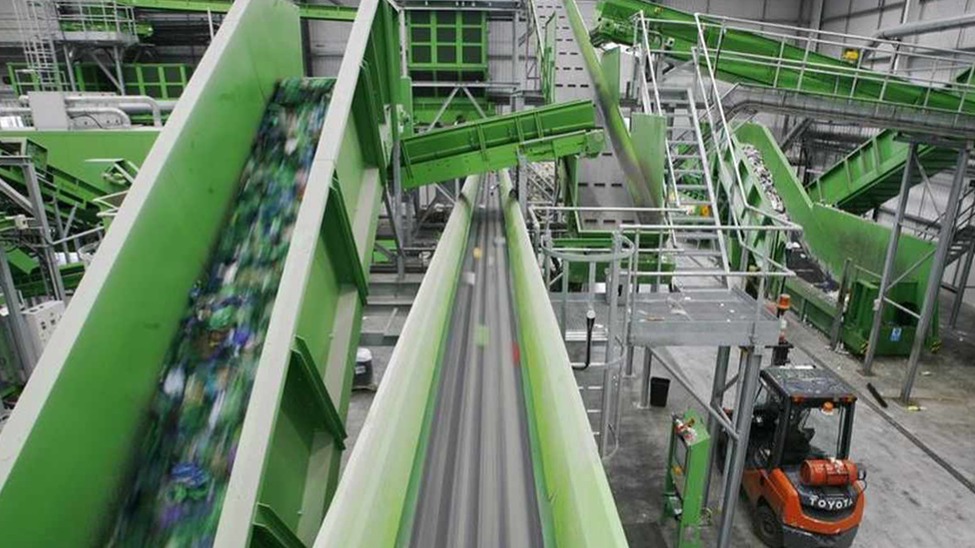
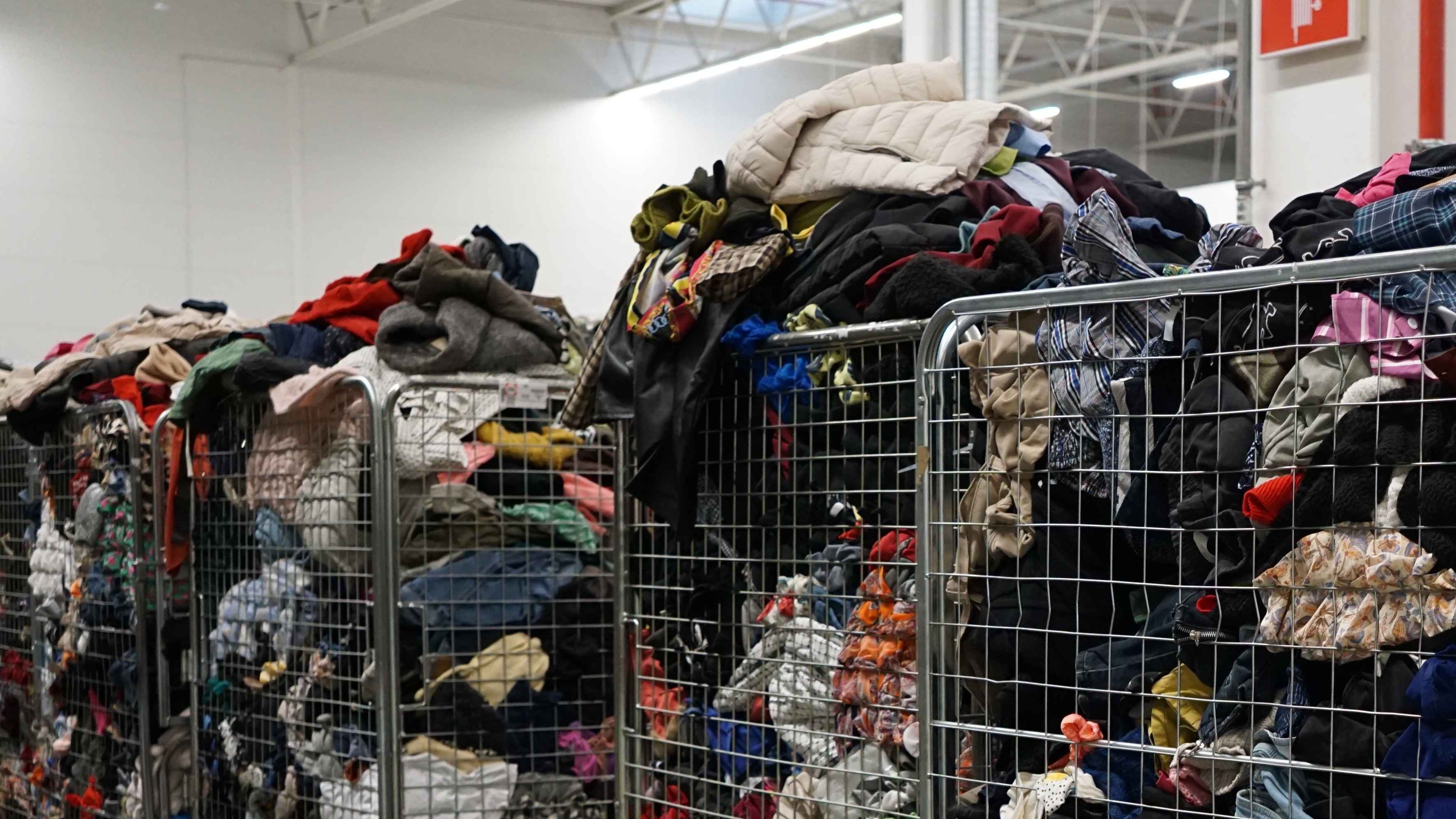
Photo from an article by Jason Saundalkar, ME Construction News
Summary
Tadweer Future Projects LLC exemplifies how waste management in Oman can go beyond disposal to actively support a circular economy. The company focuses on converting construction and industrial waste into high-value, eco-friendly products, particularly recycled rubber and building materials. By keeping materials in use and creating domestic value-added products, Tadweer Future Projects not only reduces environmental impacts but also generates employment, and strengthens Oman’s recycling sector.
Problem
Effective waste management is a cornerstone of circularity, as it reduces environmental impact, recovers resources, and ensures materials are reused, recycled, or safely treated. In Oman, waste generation continues to grow alongside increased urbanisation and industrial activity, yet much of the system remains linear. Current government measures, such as Oman Vision 2040, promote circular approaches, including the use of R-strategies to divert waste from landfills and generate economic opportunities. Despite this ambition, Oman’s waste management remains focused on disposal and cannot yet be accurately described as circular.
Solution
Tadweer Future Projects addresses these challenges by establishing local recycling facilities and processes that transform construction and rubber waste into high-value products. Its first major facility, located in the Samail Industrial City specialises in sustainable rubber recycling. The plant converts waste materials, such as scrap tires, into SBR crumb rubber, SBR rubber powder, and steel bead wire. These materials are further processed into durable, eco-friendly products including rubber flooring, with around 20 million kilograms of rubber granules recycled annually and 800,000 tiles produced each year in 17 different varieties. The company has expanded into other value-added products, including construction materials through its RubbelX and GravelX subsidiaries, which recycle rubber and building waste. Tadweer Future Projects’ approach ensures that materials collected in Oman are converted into products within the country, strengthening local closed-loop cycles and reducing dependence on imported raw materials.
Outcome
The company emphasises environmental protection, emission reduction, and resource efficiency, with an estimated 1,300 tonnes of emissions prevented annually. Its model integrates industrial innovation, domestic value creation, and environmental stewardship, setting a benchmark for circular waste management in Oman and demonstrating how waste can be transformed into economic and environmental value. Tadweer Future Projects’ material recycling of rubber and gravel waste streams highlights the potential for replication across other waste types and sectors, reinforcing the role of increased domestic processing in building a more sustainable, circular economy.
Sources include links added, and information given by Tadweer Future Projects LLC.
Location
Industries
Involved organisation(s)
Key elements of the circular economy
Attachments and links
Contributors
Owner
Date added: Apr 29, 2026
Last updated: Apr 29, 2026
More from Circle Economy

Add your content
Strengthen the circular economy knowledge base by adding a report, case study, publication, or other resource to our platform!