Explore by topic

Circular textile practices in Oman: Kiswa
Last updated: Apr 29, 2026
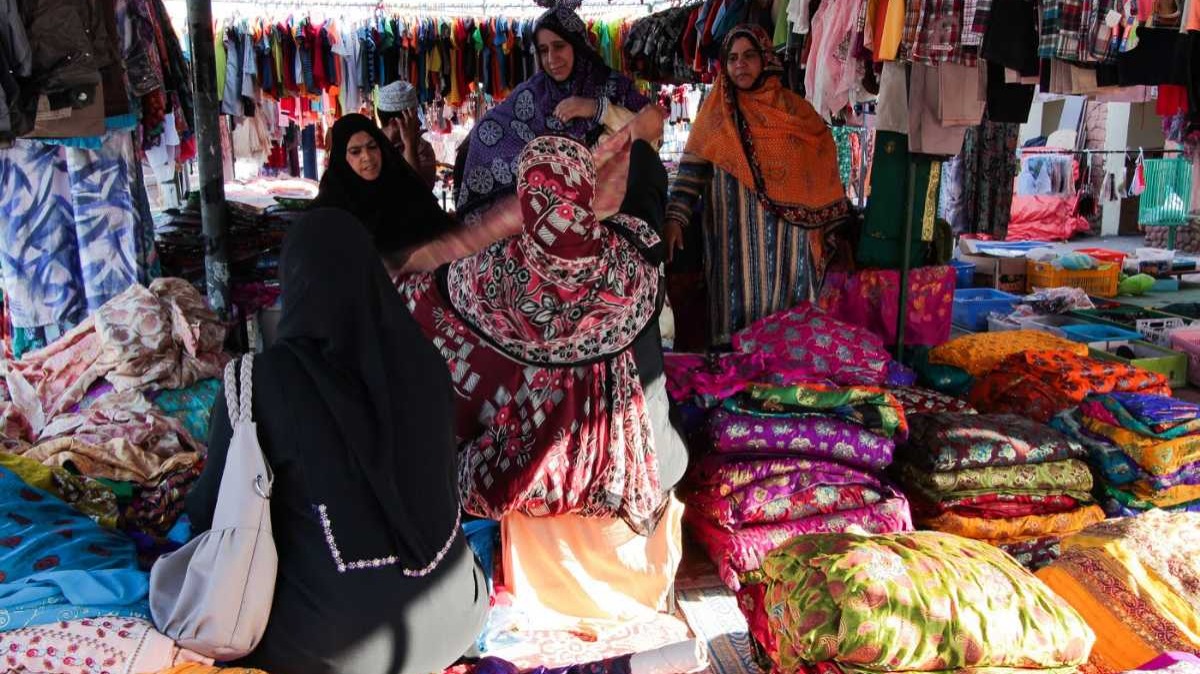
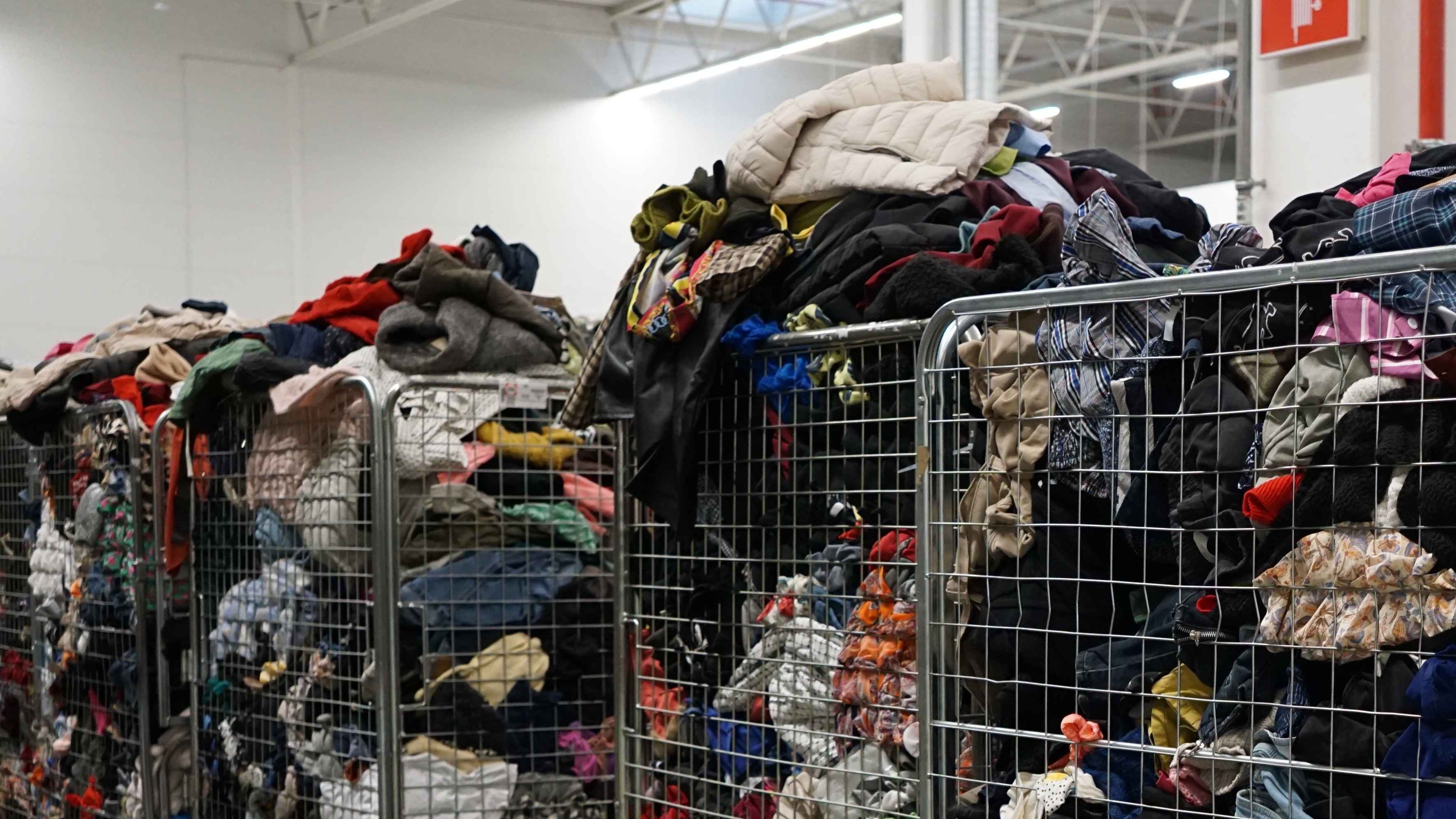
Photo from the Holidify website
Summary
Kiswa is a social enterprise that collects, sorts, recycles, and redistributes used clothing in Oman and across the Gulf to reduce textile waste while supporting charitable causes. By combining environmental protection, community engagement, and circular resource use, Kiswa encourages individuals and businesses to extend the life of clothing, reduce textile waste sent to landfill, and adopt more sustainable consumption practices.
Problem
Globally, the textile sector is a major contributor to water degradation, land use pressures, and pollution, accounting for an estimated 20% of clean water contamination from dyeing and finishing processes. The industry is characterised by overproduction and overconsumption, which drive resource depletion and result in significant environmental and social impacts. Textile consumption in Oman is rising, driven by imports, fast-fashion trends, and changing lifestyles. High volumes of imported used clothing, along with shifting social norms—such as more frequent purchases of traditional attire and growing interest in seasonal fashion—accelerate clothing turnover and waste.
The circular economy depends heavily on behaviour and lifestyle change, as individual consumption patterns and community practices can significantly reduce material use and carbon emissions. In Oman, community engagement is culturally central, providing a potential platform for influencing consumption and recycling behaviours. However, formal textile recycling infrastructure is limited, and industrial processing capacity is low, meaning that most efforts focus on collection and redistribution rather than large-scale recycling.
Solution
Kiswa addresses these challenges through a structured circular approach to textiles. The company provides free textile collection for individuals and businesses across Oman, using smart, solar-powered bins in most wilayats (administrative provinces), as well as app- and message-based collection requests. Promising responses within 24 hours, Kiswa ensures both accessibility and convenience. Collected clothing is sorted and classified by condition: good-quality items are sent to charities for resale, while non-reusable textiles are sent to third-party recyclers for processing into industrial rags, insulation, padding, or other secondary products.
In addition, Kiswa encourages public engagement through awareness campaigns and provides financial incentives such as cash, vouchers, or discounts from corporate partners. These partners, including shopping malls, retailers, municipalities, and large companies, install and manage collection bins, often as part of CSR, ESG, or sustainability initiatives. While Kiswa does not operate large-scale recycling plants, it collaborates with facilities in Oman and other Gulf countries (GCC) to ensure collected textiles are recycled and diverted from landfill. The company handles approximately 200–300 collection orders per day, amounting to roughly 210,000 tonnes of textile per month, equivalent to over 1,000,000 pieces of clothing.
Outcome
Kiswa has established a business model that aims to increase public awareness and engagement, reduce textile waste, and engage with local social initiatives. Through Kiswa, communities are actively participating in collection and donation programmes, reinforcing awareness of textile waste and environmental impacts. Companies benefit from measurable sustainability impact through partnerships and reporting on the weight of textiles diverted from landfill. Recycled textiles are either redistributed for reuse or processed into secondary materials, contributing to material circularity despite limited local industrial recycling capacity.
Overall, Kiswa demonstrates how behavioural change, combined with structured collection and redistribution systems, can create measurable environmental and social outcomes in a region with limited formal recycling infrastructure. The initiative represents one of the leading examples of circular economy practices targeting lifestyles and consumption in Oman, showing that extending product lifecycles and promoting resource stewardship can be achieved even in sectors traditionally associated with high waste and low recycling.
Sources include links added, and Circle Economy. (2026). The circularity gap report Oman. Amsterdam: Circle Economy.
Location
Industries
Involved organisation(s)
Key elements of the circular economy
Attachments and links
Contributors
Owner
Date added: Apr 29, 2026
Last updated: Apr 29, 2026
More from Circle Economy

Add your content
Strengthen the circular economy knowledge base by adding a report, case study, publication, or other resource to our platform!