Explore by topic

From Demolition to Development: be’ah’s Role in Oman’s Circular Built Environment
Last updated: Apr 29, 2026
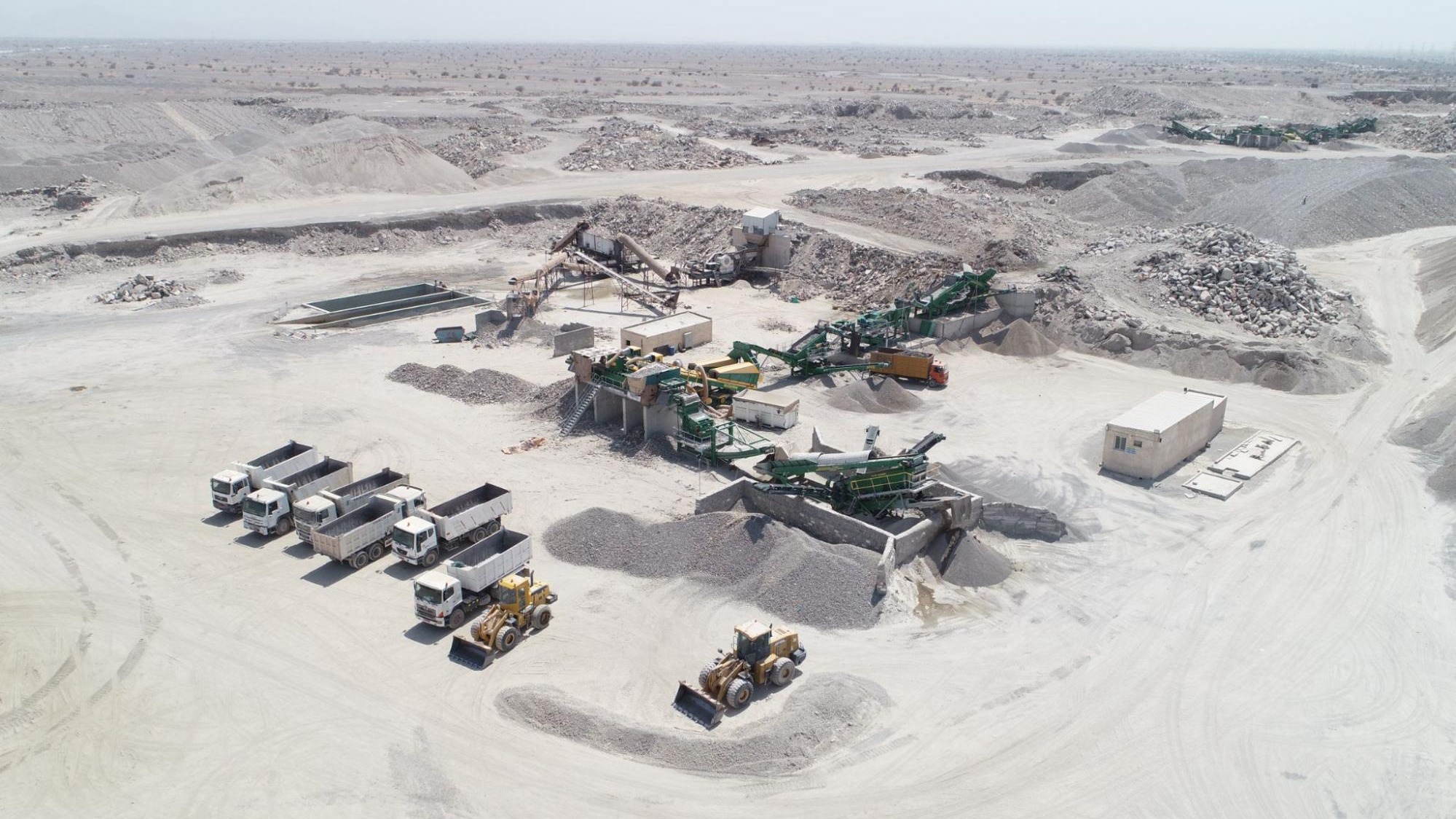
Photo from be'ah
Summary
Construction and demolition waste (C&DW) represents the largest waste stream in Oman. The production of construction materials, such as concrete, aggregates, and metals, is resource-intensive and carries a significant carbon footprint. As Oman expands its housing and infrastructure, recovering and reusing these materials offers a significant circular economy opportunity, while also improving cost efficiency, and strengthening domestic production. Oman’s Environmental Services Holding Company, be
Problem
The built environment is among the most resource and carbon-intensive sectors globally, a reality reflected in Oman’s construction sector. Driven by rapid population growth and infrastructure demand, the sector relies heavily on virgin resource extraction. Construction and demolition waste constitutes the largest waste stream in Oman, currently accounting for approximately 33% of all treated waste.
The integration of circular solutions at scale in Oman’s construction sector is currently hindered by a significant ‘green premium’ and a reliance on imported construction materials (such as steel), which drive up costs. Local secondary material supply chains in Oman are underdeveloped, with limited standardisation of reuse of C&D waste.
Solution
Existing buildings and construction waste offer opportunities to reuse and recover materials, drawing value from waste rather than relying on new resources. Recovering concrete, aggregates, metals and timber from demolition sites reduces demand for virgin materials, alleviates extraction pressures and lowers associated emissions.
In Oman, recycling of construction and demolition waste is already underway through be’ah’s waste management operations. The company operates 32 sites across the country, including sorting facilities and C&D waste treatment plants, 10 of which are equipped with advanced machinery capable of recovering high-value materials such as sand and aggregates. The process involves assessing waste streams for suitability, sorting materials, processing and recycling them, and reintroducing the resulting secondary materials into construction and building activities. C&DW processing has been in operation since 2019 at be’ah, reflecting a shift toward recognising construction waste as a valuable resource rather than a disposal challenge.
Outcome
Since commencing C&DW-related operations in 2019, be’ah has received more than 21 million tonnes of construction and demolition waste. Between 2019 and 2025, over 16 million tonnes of this waste were successfully processed for reuse, enabling the production of recycled construction materials for use in new building and infrastructure projects. These initiatives demonstrate tangible circular economy outcomes in Oman’s built environment sector by closing material loops and reducing reliance on virgin resources.
Despite this progress, barriers remain. These include non-compliance with waste regulations by contractors, inadequate sorting at source, illegal dumping, limited waste tracking systems, lack of approved standards for assessing the quality of recycled materials, absence of mandatory requirements to use recycled materials in public projects, and low awareness among waste producers of the economic value of C&DW. Addressing these challenges is essential to scaling circular construction practices and increasing high-value material recovery across the sector.
Sources include links added, information provided by be'ah, and Circle Economy. (2026). The circularity gap report Oman. Amsterdam: Circle Economy.
Location
Industries
Involved organisation(s)
Key elements of the circular economy
Attachments and links
Contributors
Owner
Date added: Apr 29, 2026
Last updated: Apr 29, 2026


Add your content
Strengthen the circular economy knowledge base by adding a report, case study, publication, or other resource to our platform!