Explore by topic

Norsk Gjenvinning has localized plaster production in their “Circular Gypsum Plaster Factory”
Last updated: Jan 22, 2025
Summary
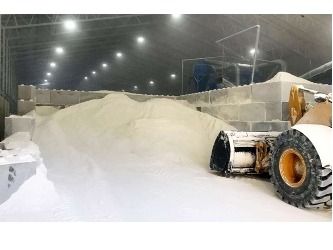
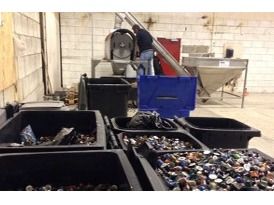
In 2019, Norsk Gjenvinning, one of the largest waste management companies in Norway, opened “Den Sirkulære Gipsfabrikken” (the circular plaster factory), which has a permit to recycle half of all plaster waste in Norway. The Circular Factory, which is owned 50/50 by Norsk Gjenvinning and New West Gypsum Recycling, ensures that plaster waste can again be used as an input factor in the production of new plaster boards. The recycled cast replaces the virgin raw material that traditionally has been imported from Europe.
Problem
Norway has a large construction sector which accounts for the biggest resource footprint (43 million tonnes). However, valuable construction and demolition waste is largely not utilised through reuse or recycling. In this way, circularity is not only low due to a lack of cycling, but also because of the continued build-up of stock in buildings and infrastructure, which bloats the already swollen national material footprint, per capita. According to figures from Statistics Norway, 80,000 tonnes of plaster waste is created each year – and at the same time new plaster is bought and imported from abroad.
Solution
The factory collects cast waste (often from demolition companies), take use of brand new technology within plaster recycling and re-sell the recycled cast to manufacturers. The technology has been crucial in order to be able to deliver high quality material to their buyers/ manufacturers, such as Norgips. In this case, the powder produced is 99.5 per cent pure so that it can be converted into new plaster boards.
Outcome
In principle plaster is forever recyclable and through the localized plaster recycling plant, the recycled cast replaces the virgin raw material that traditionally has been imported from Europe. This helps to reduce the climate emissions associated with the transport of raw materials and reduces costs. This is more importantly, the perfect circular example, because it ensures that the quality of the material does not decline after each use cycle – which allows for an (in theory) eternal source of material, without having to use virgin material.
Location
Key elements of the circular economy
Attachments and links
Contributors
Owner
Date added: Jan 3, 2022
Last updated: Jan 22, 2025
More from the contributors


Add your content
Strengthen the circular economy knowledge base by adding a report, case study, publication, or other resource to our platform!