Explore by topic

Reclaimed urban wood as a solution to fight violent crime
Last updated: Jan 23, 2024
Summary
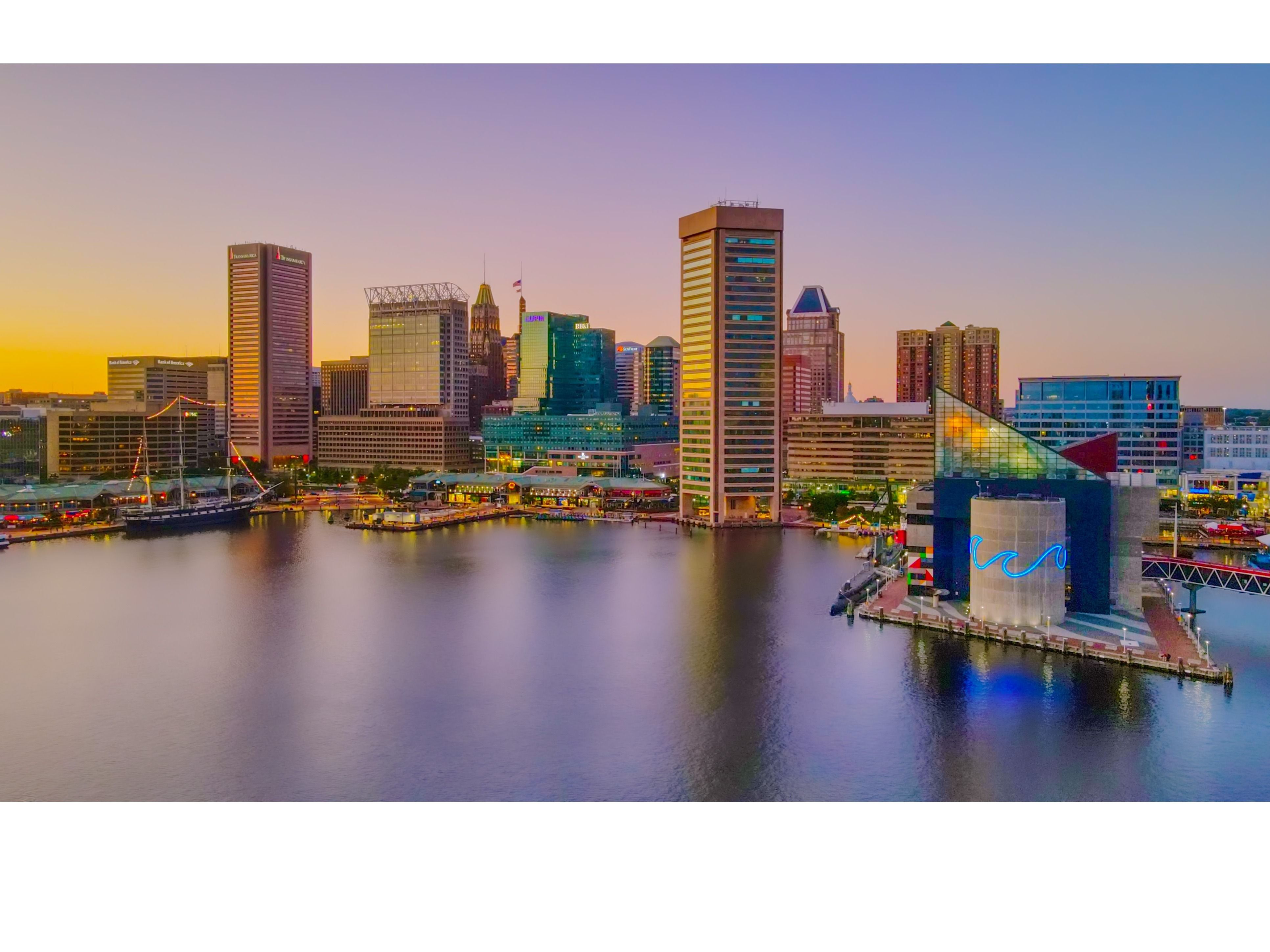
The U.S. Forest Service has launched a “matchmaking” effort to connect non-profits employing formerly incarcerated workers who deconstruct abandoned buildings in big metropolises such as Baltimore with private companies looking for a dependable supply of reclaimed lumber.
For this purpose, the Baltimore Wood Project brings new partners and ideas together to be smarter and more thoughtful about urban wood “waste” in the city. More than creating a boutique urban wood niche, this project is about building a networked regional economy around wood and land restoration that is rooted in reclaiming wood, reclaiming lives, and reclaiming neighbourhoods in urban and rural areas.
Problem
About 14.5 million tons of wood in America's landfills every year come from urban areas, according to the most recent Forest Service estimates. That is more than the amount of timber harvested from national forests each year.
In addition to this, about 70% of Baltimore offenders find themselves back in jail within three years of being released. Few cities have been hit as hard as Baltimore by violent crime and the scourge of abandoned housing — big-city blight that becomes hubs for illicit drug use and prostitution and is frequently used by assailants to dump homicide victims.
Some of the nation’s cities with the highest homicide rates also have enormous stocks of abandoned buildings. In fact, Baltimore (55.8 homicides per 100,000 residents) has roughly 16,000 abandoned structures.
Solution
The wood project fits the Forest Service mission because it helps keep good wood out of landfills as Maryland and Baltimore officials push forward with a program to demolish about 4,000 homes over the next four years.
In the agency’s first matchmaking effort, the Forest Service hooked up Humanim — a Maryland-based non-profit group that employs ex-offenders who deconstruct abandoned buildings as well as refurbish and sell wood and bricks from abandoned structures — with Room & Board, a Minneapolis-headquartered furniture retailer that touts its use of American lumber and local craftsmen.
Outcome
Project benefits include reducing landfill waste, creating jobs for those with barriers to employment, reducing costs and increasing revenues to municipalities, providing green materials and beautifully reclaimed product, restoring land and watersheds, engaging and bringing hope to communities, helping the city achieve its vision of a sustainable future and scaling and replicating in other communities.
Location
Industries
Involved organisation(s)
Key elements of the circular economy
Attachments and links
Contributors
Owner
Contributor
Date added: Mar 14, 2022
Last updated: Jan 23, 2024
More from the contributors




Add your content
Strengthen the circular economy knowledge base by adding a report, case study, publication, or other resource to our platform!