Explore by topic

Mexico City bans single-use plastics and promotes compostable packaging
Last updated: Jan 23, 2024
Summary
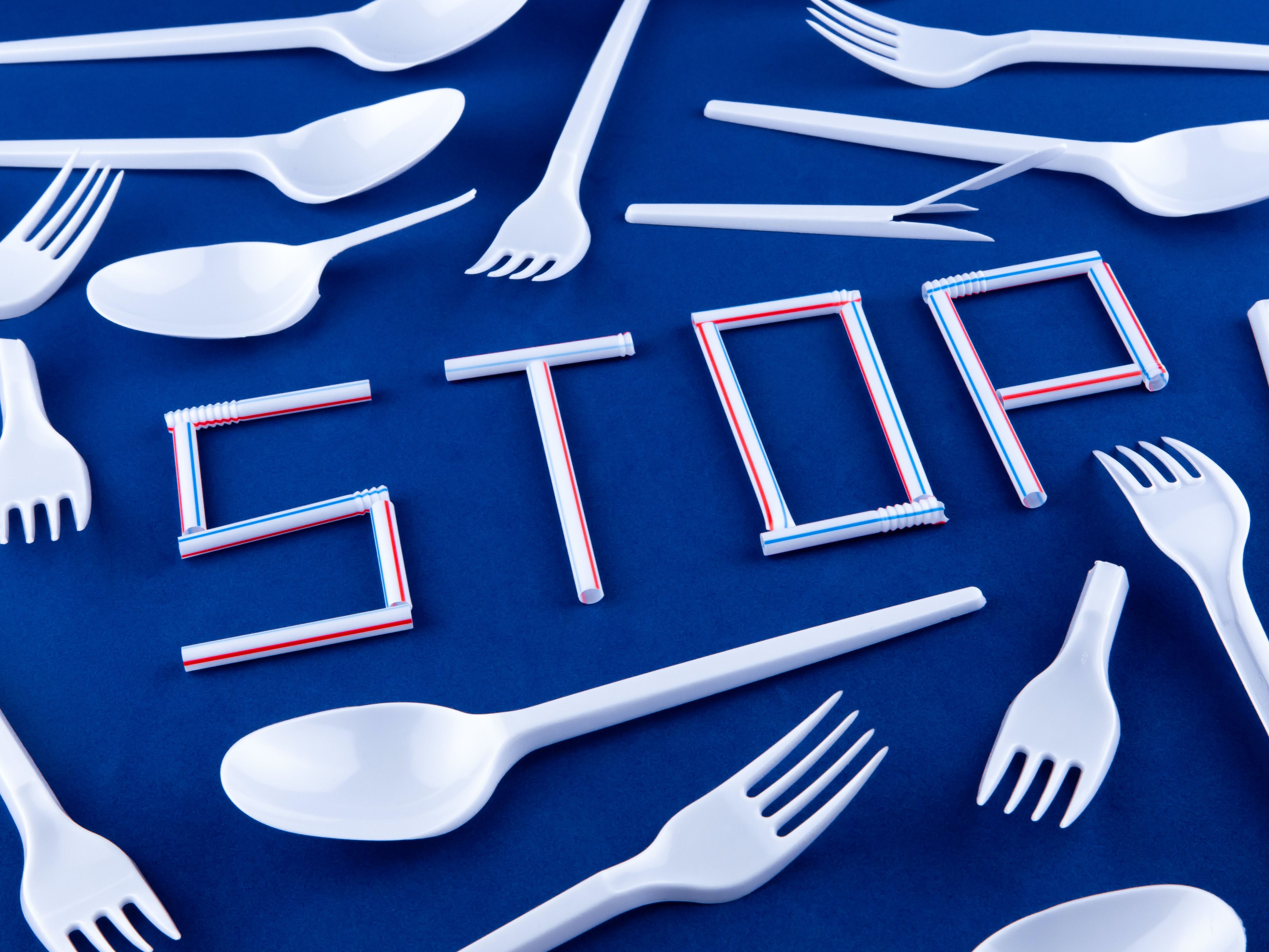
Through the City's Solid Residues Law ("Ley de Residuos Sólidos de la CDMX"), Mexico City banned single-use plastics, including cutlery, containers, cups, straws, balloons, cotton swabs, plastic bags, and other items. Following an adjustment period from the law's publication, a ban on the sale and distribution of disposable plastic items took effect in January 2021.
The law also encompasses the types of plastics that can be used as substitutes for the banned items, including compostable plastics and other non-compostable but more durable alternatives like HDPE and PET.
Problem
According to the capital's environmental agency, Mexico City, one of the world's largest cities, produced around 13,000 tons of garbage per day in 2020. Plastics in total (PET, PP, HDPE, LDPE, PS, etc.) account for 13.21% of the waste currently generated in the city, i.e. around 1,700 tonnes per day. Around 48% of it is used for packaging, and while much of it is recyclable, a significant portion of it is not.
Solution
The City's Solid Residues Law ("Ley de Residuos Sólidos de la CDMX") entered into effect on January 1st, 2021. In addition to the ban on the sale and distribution of disposable plastic items, the law contemplates the banning of microplastics on new products as well as a detailed list of items that are excluded from this ban (e.g. sanitary products or medical devices).
Moreover, it encompasses a detailed set of guidelines for the production, handling, and disposal of compostable plastic items.
Outcome
Overall, the law highlights the importance of the circular economy model by encouraging citizens and businesses to generate more sustainable habits by using reusable packaging and not only substituting for compostable disposables, even when they are allowed.
Location
Industries
Involved organisation(s)
Key elements of the circular economy
Attachments and links
Contributors
Owner
Contributor
Contributor
Date added: Aug 19, 2021
Last updated: Jan 23, 2024
More from the contributors











Add your content
Strengthen the circular economy knowledge base by adding a report, case study, publication, or other resource to our platform!