Explore by topic

AltMat - Transforming agriculture waste into natural fibres and yarns
Last updated: Apr 11, 2023
Summary
Created in 2020, India-based AltMat is a company focused on developing alternative materials from agricultural waste.
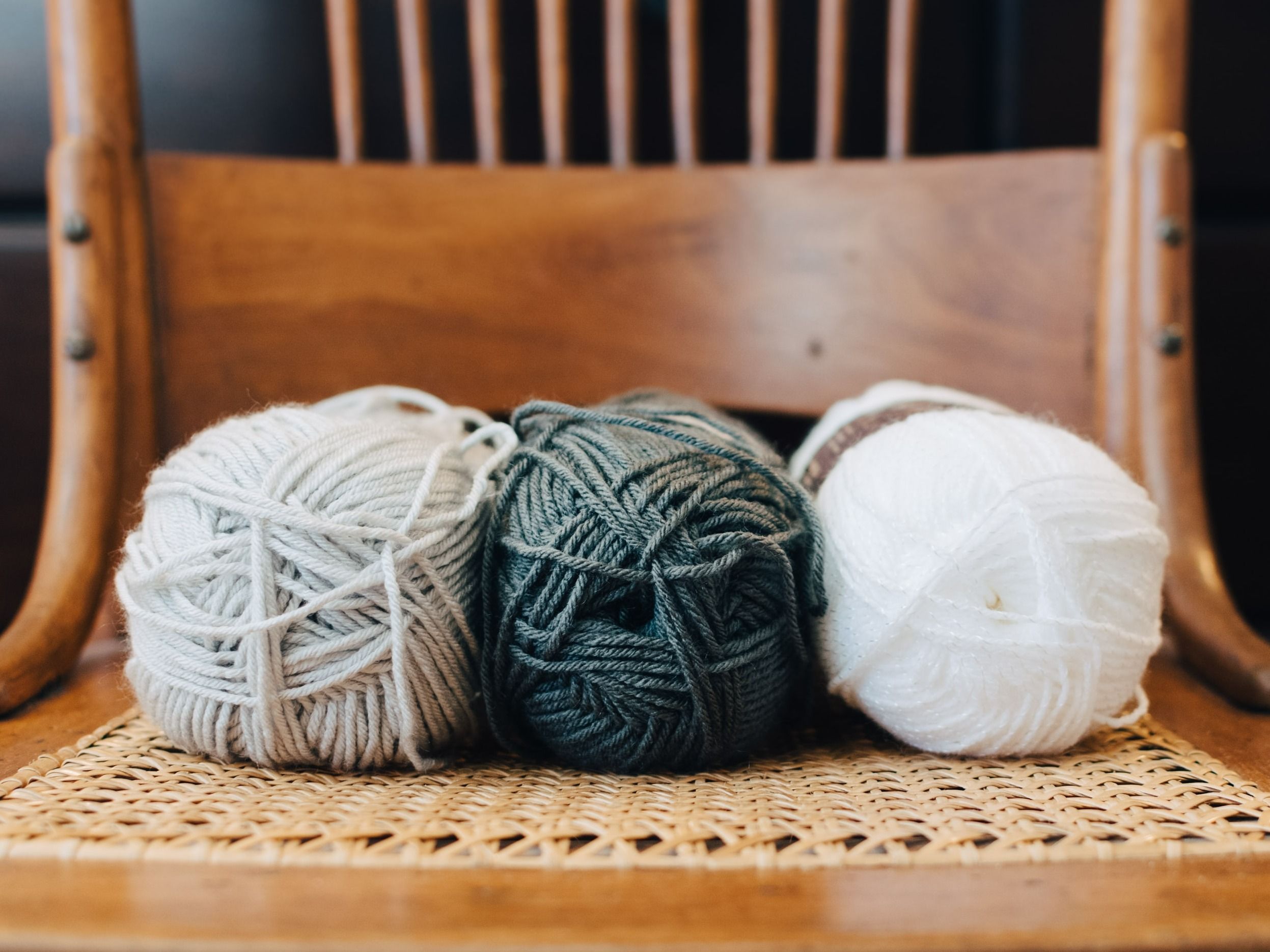
Merging knowledge in materials science and sustainability, the company transforms residues of food and medicinal crops into natural fibres, yarns, and fabrics without using hazardous chemicals in the process.
Through their inclusive and regenerative practices, the company has been able to have massive positive impacts on various parameters from water, energy usage, soil health, to ocean health.
Problem
The textile industry need better materials. There is a growing interest in the use of plant-based fibre and agricultural residues for textile production, but brands often find it tough to strike chords of viability, ease of execution and scalability to produce them.
The investment and sharing of technologies that can transform agricultural waste into textiles can massively contribute to the development and evolution of circular textile production practices.
Solution
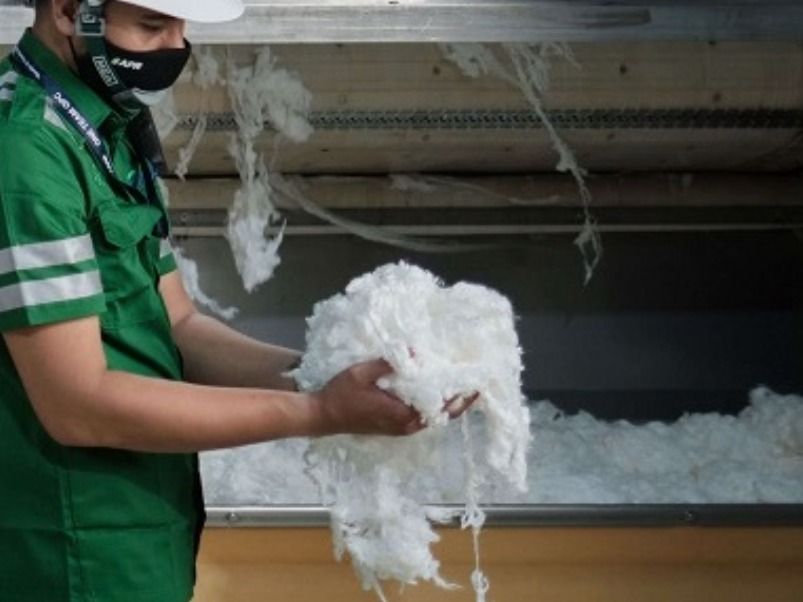
AltMat uses a combination of mechanical, chemical, and microbial sciences to transform low-value materials into soft and strong fibres.
The materials are divided into three categories: Alt yarns, Alt fibres and Alt fabrics.
The Alt yarns developed by the company are made from a mixture of Alt fibres with other sources of materials like cotton, modal, lyocell and recycled polyester.
Alt fibres are made from hemp oil seed, banana and pineapple residues and available in several grades for different applications like paper making, packaging, non-wovens, hygiene products and composites.
They also look thoroughly after their farm supply chain, manufacturing processes, and material designs to account for environmental footprint throughout.
Outcome
After successful pilots and testing industrial scale production and compatibility with actual production lines across supply chains, the company is set to make the industrial scale unit go live in July 2021.
The company is also working on more committed brand alliances for active adoption of Alt materials and contribute towards the 2025 science backed sustainbility target of brands.
Overall, they have been able to solve the dual problem of agricultural waste and textile pollution while contributing to various parameters from soil health to end of life scenarios.
Location
Industries
Involved organisation(s)
Key elements of the circular economy
Attachments and links
Contributors
Owner
Contributor
Contributor
Date added: Sep 29, 2021
Last updated: Apr 11, 2023
More from the contributors




Add your content
Strengthen the circular economy knowledge base by adding a report, case study, publication, or other resource to our platform!