Explore by topic

Fast - Fashion An Environmental Catastrophe.
Last updated: Aug 10, 2022
Summary
Have you ever wondered what came first: The desire for trendy clothes at an inexpensive rate or the industry convincing us that we are behind trends?
Fast-Fashion is a marketing strategy to meet the ever-changing trends where high volumes of apparel are produced with low-quality materials and sold at a reasonable price, making people buy more.
Problem
The fashion industry is one of the major reasons for air pollution, landfills, and greenhouse gas emissions. Water used for the dyeing and finishing process is then released into the river resulting in contamination. Moreover, it exploits Labour Rights and Working Conditions - Low wages, health hazards and long working hours.
Solution
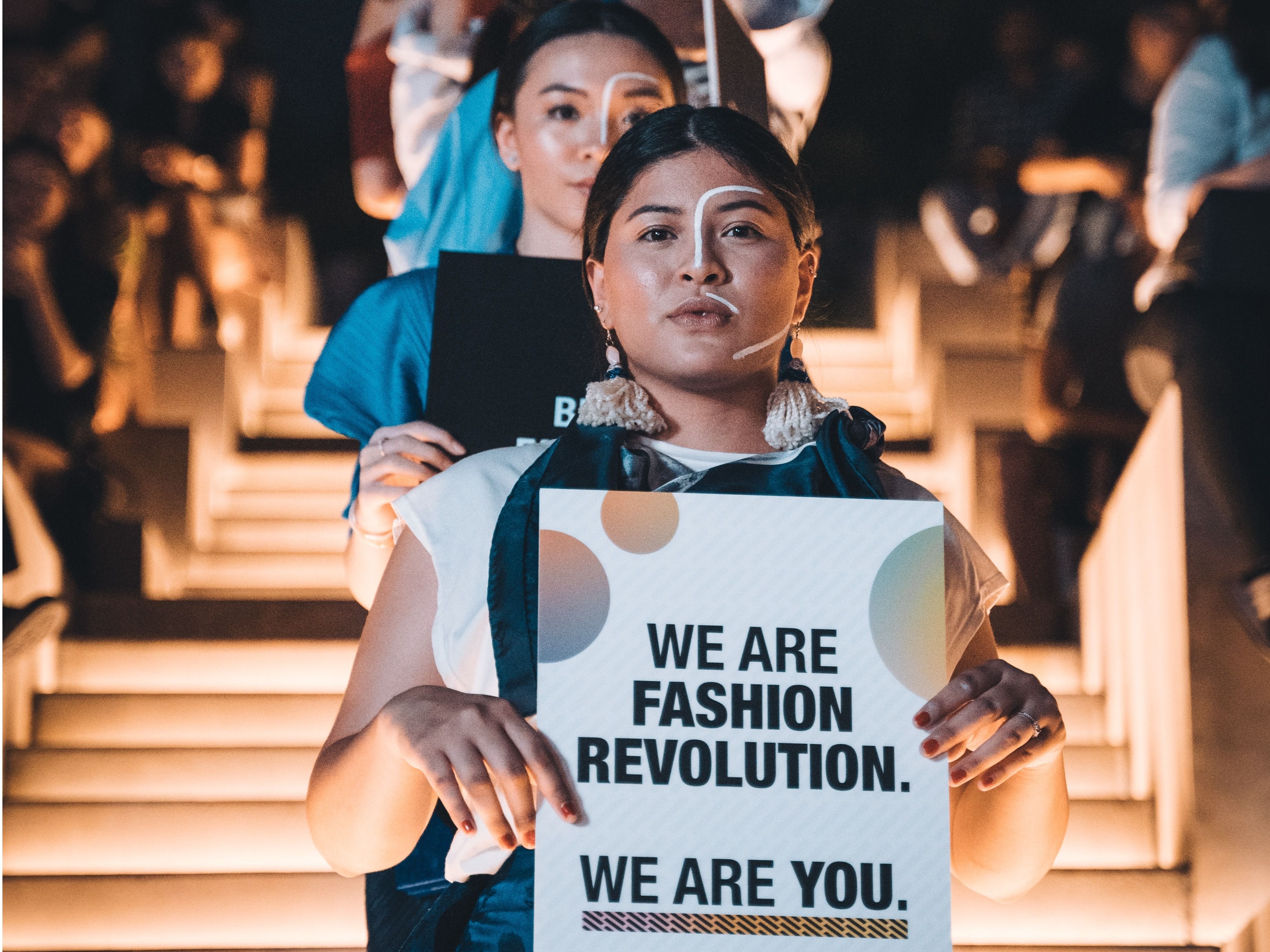
Every year "Fashion Revolution Week" happens on the 18th-24th of April in remembrance of the Rana Plaza Collapse, making the citizens realise the dangers that labourers face and how much impact the fashion industry brings on the environment.
Bollywood celebrities like Vidhya Balan and Boney Kapoor, icons of the fashion industry have underlined the importance of Sustainable fashion.
Gen Z has stepped out with placards to express their opinion on sustainability and to bring change in their shopping habits. Brands like H&M introduced a biodegradable and sustainable collection of baby clothing, using materials free of chemicals that are harmful to humans and the environment and manufactured with 100% recycled water and renewable energy.
Birla Cellulose in their brand Liva Reviva has also incorporated Circular Textile by recycling waste cotton and has also initiated programs for consumer awareness.
Outcome
Sustainable fashion movements and consumer awareness programs through the media have been shaping people's purchasing habits, creating circular textiles.
Location
Industries
Key elements of the circular economy
Attachments and links
Contributors
Owner
Date added: Jul 29, 2022
Last updated: Aug 10, 2022
More from the contributors


Add your content
Strengthen the circular economy knowledge base by adding a report, case study, publication, or other resource to our platform!