Explore by topic
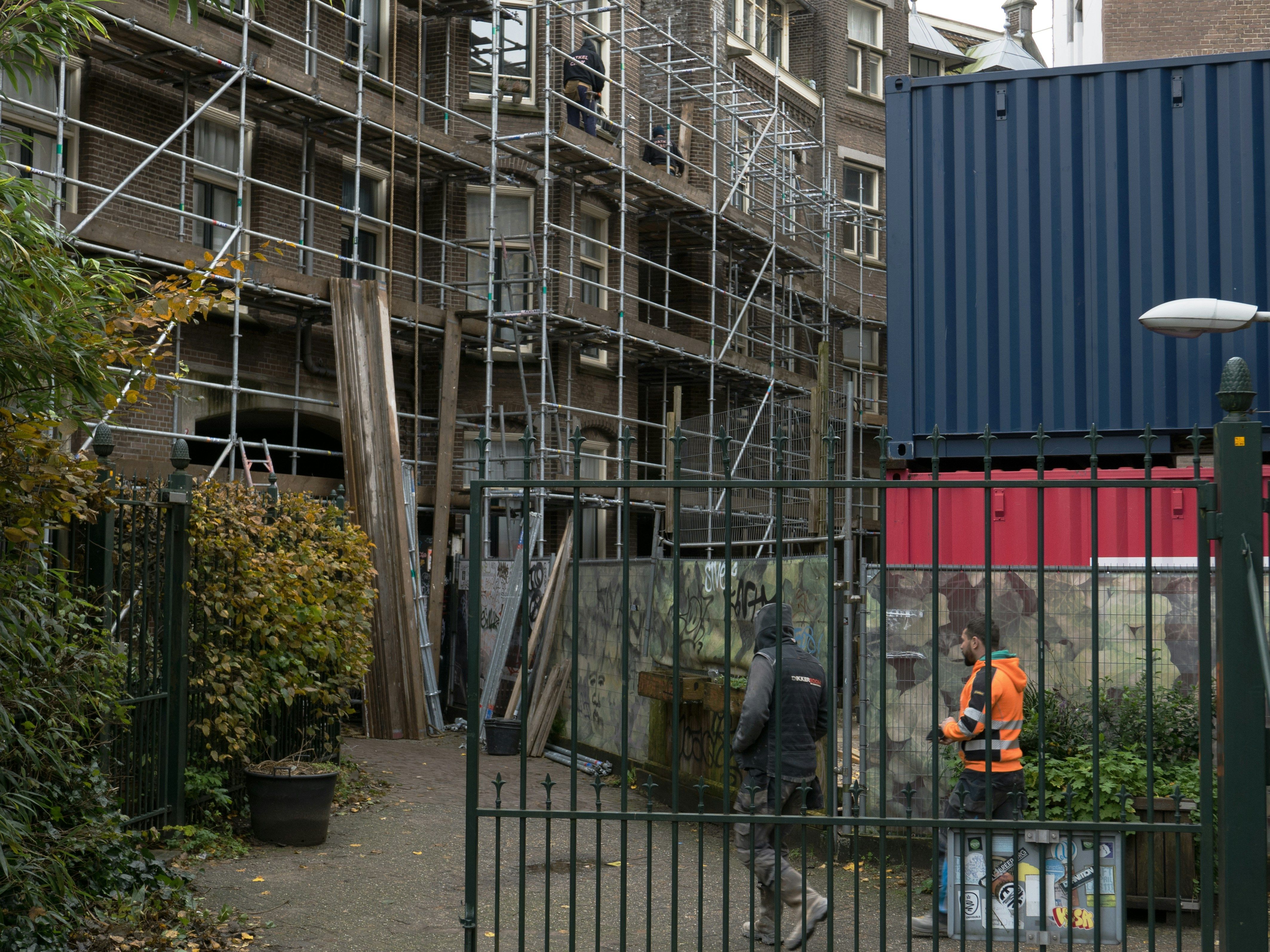
Built Environment: the 9R Strategies

About the collection
The construction industry in Europe stands at a critical juncture, facing a unique combination of challenges and opportunities that shape its future. As one of the largest and most impactful sectors, construction plays a central role in developing the cities and infrastructure of tomorrow.
However, its environmental impact is significant: the built environment, driven by construction activities and building use, is responsible for 40% of global CO2 emissions and 40% of global resource use. This makes it a major contributor to the transgression of several planetary boundaries, including Climate Change, Land-System Change, and Biosphere Integrity.
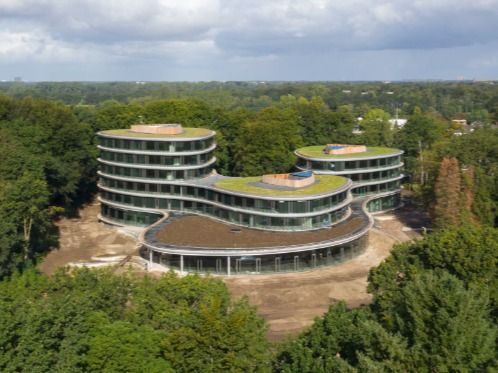
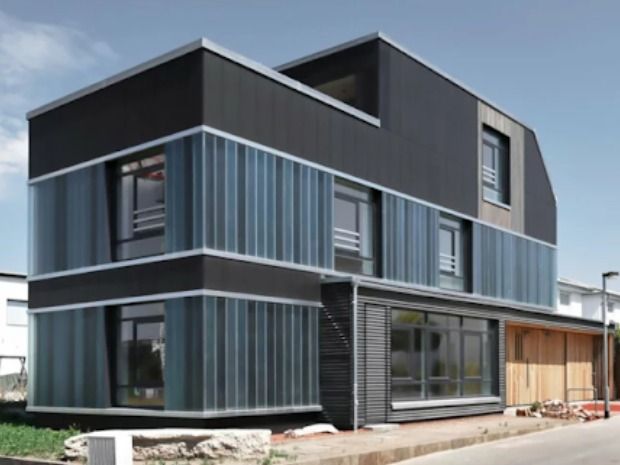
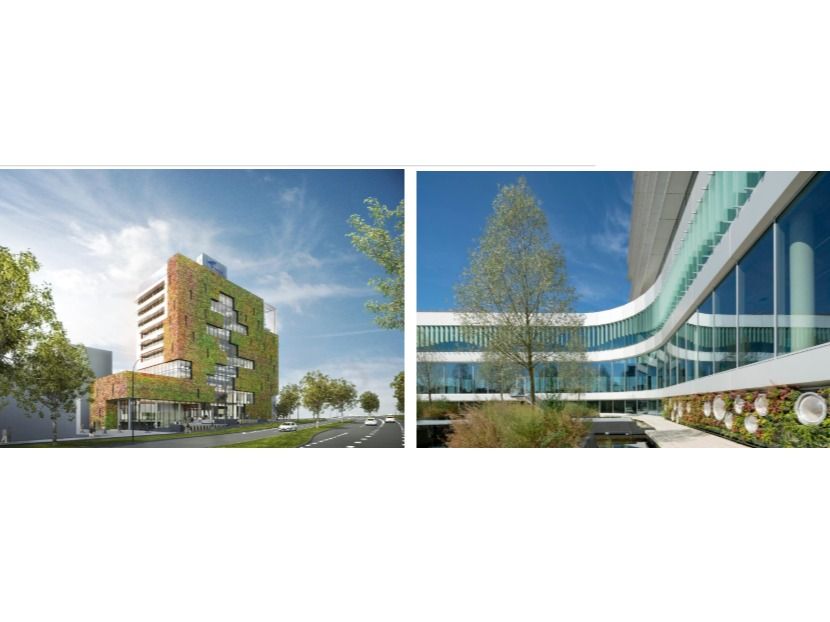
This case study selection highlights circular practices in the reviewed projects based on the 9R circularity framework, which serves as a set of guiding principles for transforming conventional construction practices into more circular and sustainable ones.
2026 © Circle Economy